
Hameri: A Forest Edge Economy
A commissioned documentation of Hameri — a WWF-India initiative supporting women from villages in the Corbett buffer zone through traditional food processing and women-led enterprise.
PHOTO ESSAYWOMEN'S SHG · UTTARAKHAND
Nishant Andrews
12/14/20201 min read
The villages bordering Corbett Tiger Reserve in Uttarakhand live at the edge of one of India's most significant wildlife corridors. Wild boar, elephants, tigers, and leopards move through the same landscape these communities farm — destroying crops, threatening livestock, and steadily eroding the tolerance that conservation depends on.
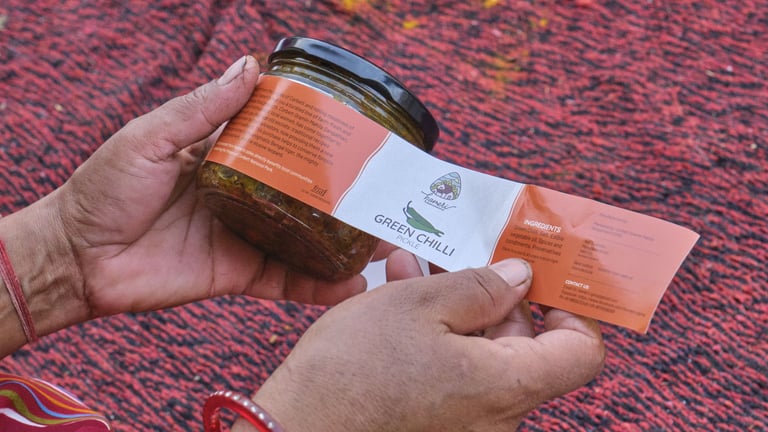
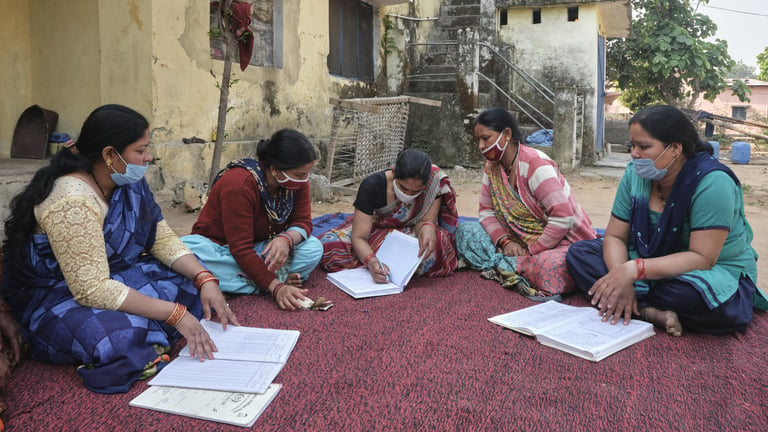
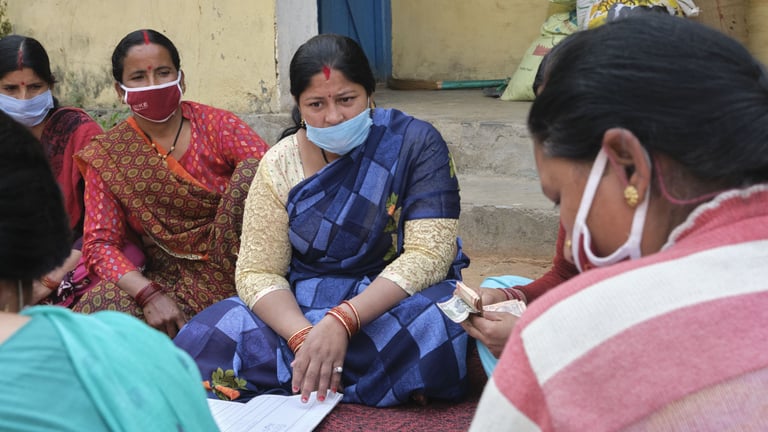
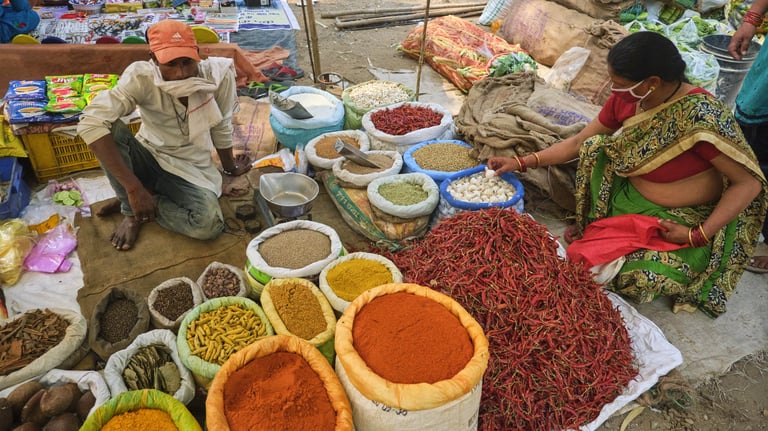
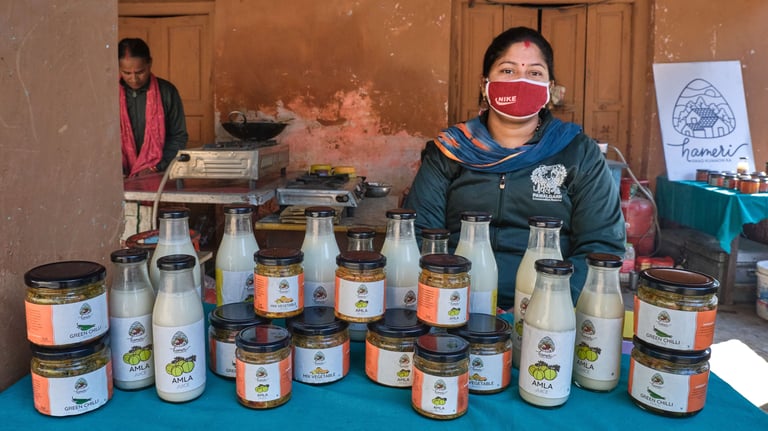
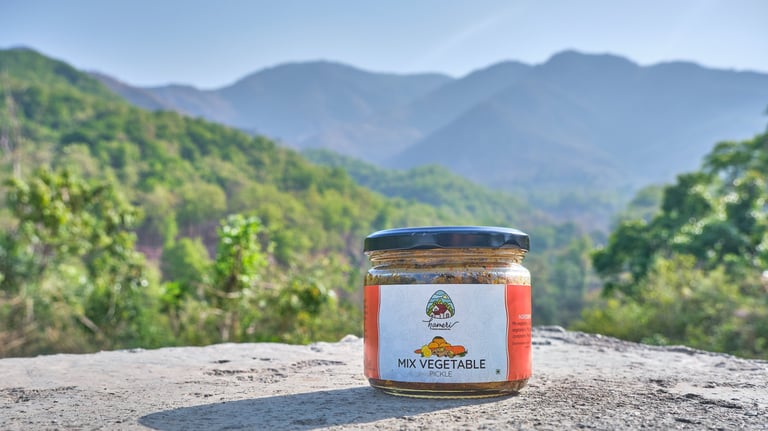
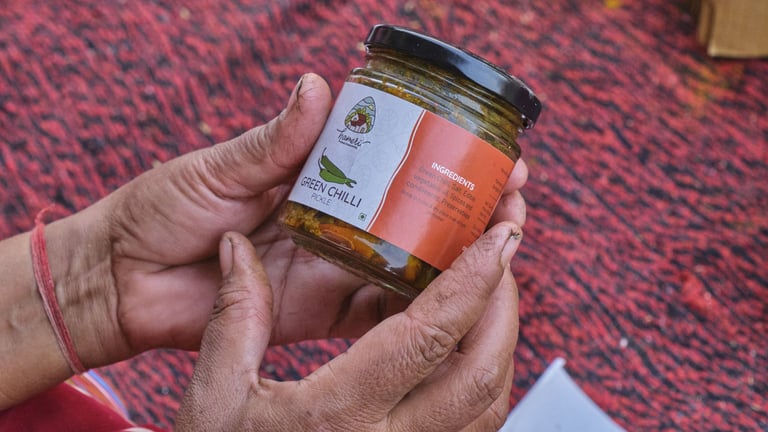
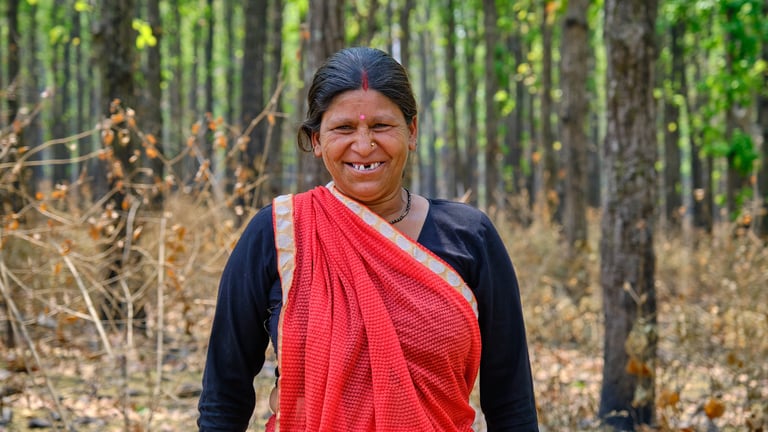
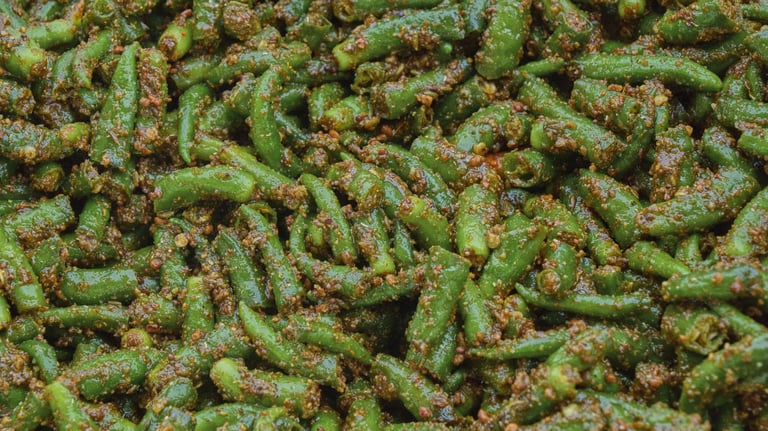
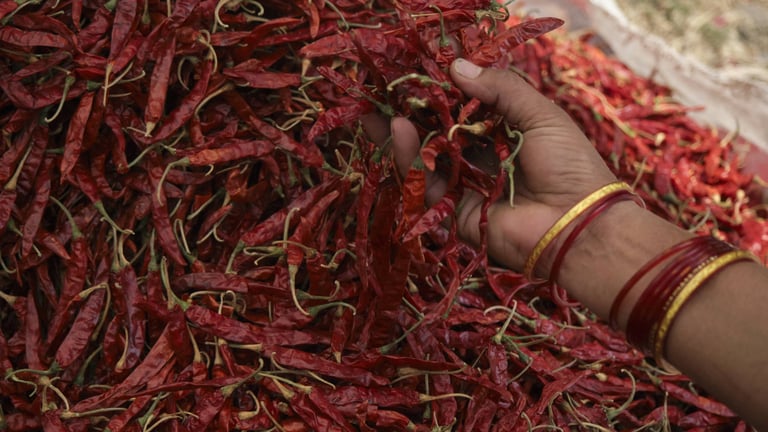
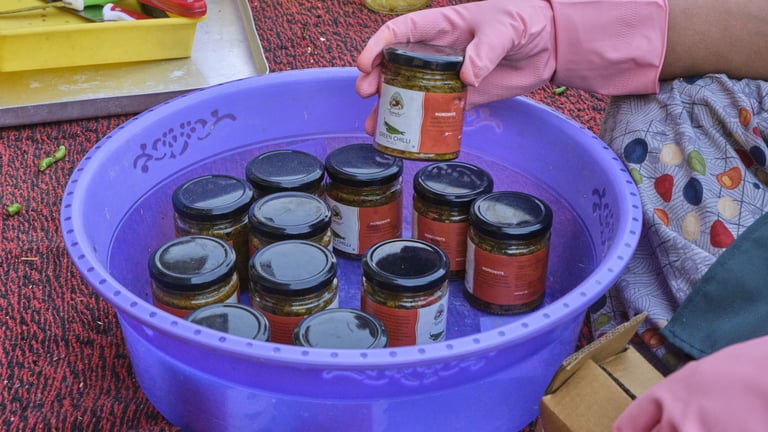
Hameri is WWF-India's response to that tension. The project brings together women from Ramnagar and Kotabagh areas under the Corbett Gramin Mahila Sangathan — a federation of self-help groups that produces traditionally processed jams, pickles, chutneys, and juices under the Hameri brand. The ingredients come from their own farms. The recipes are generational. The income is entirely theirs.
The logic is straightforward: communities that derive direct economic benefit from a functioning forest edge are communities with a reason to protect it.
Commissioned by WWF-India, Uttarakhand Division, 2020.
Photographs carry the credit © Nishant Andrews / WWF-India.


Contact:
Mail: andrewsnishant@gmail.com
COPYRIGHT ©2026 BY NISHANT ANDREWS
Connect with me: