
Shared Lands
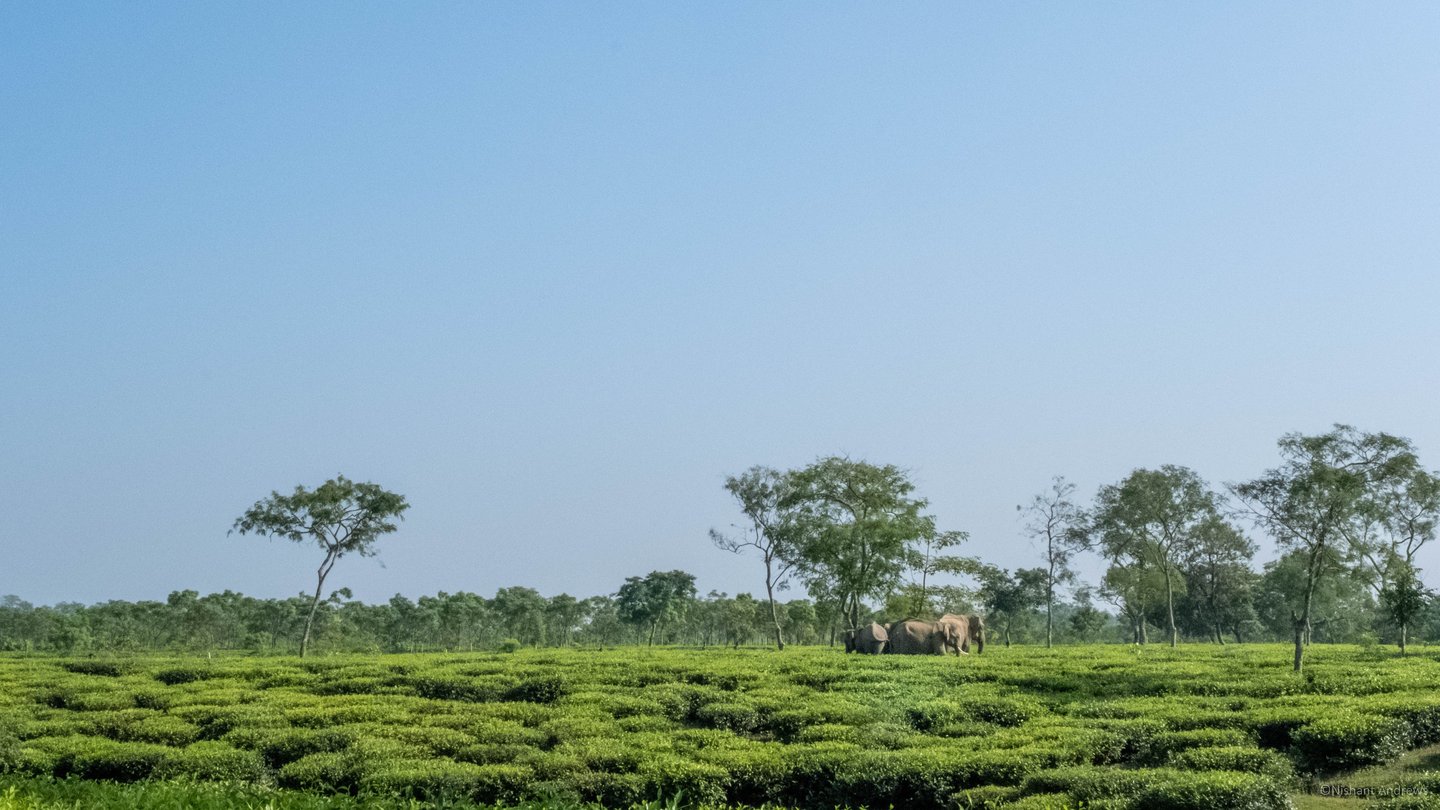
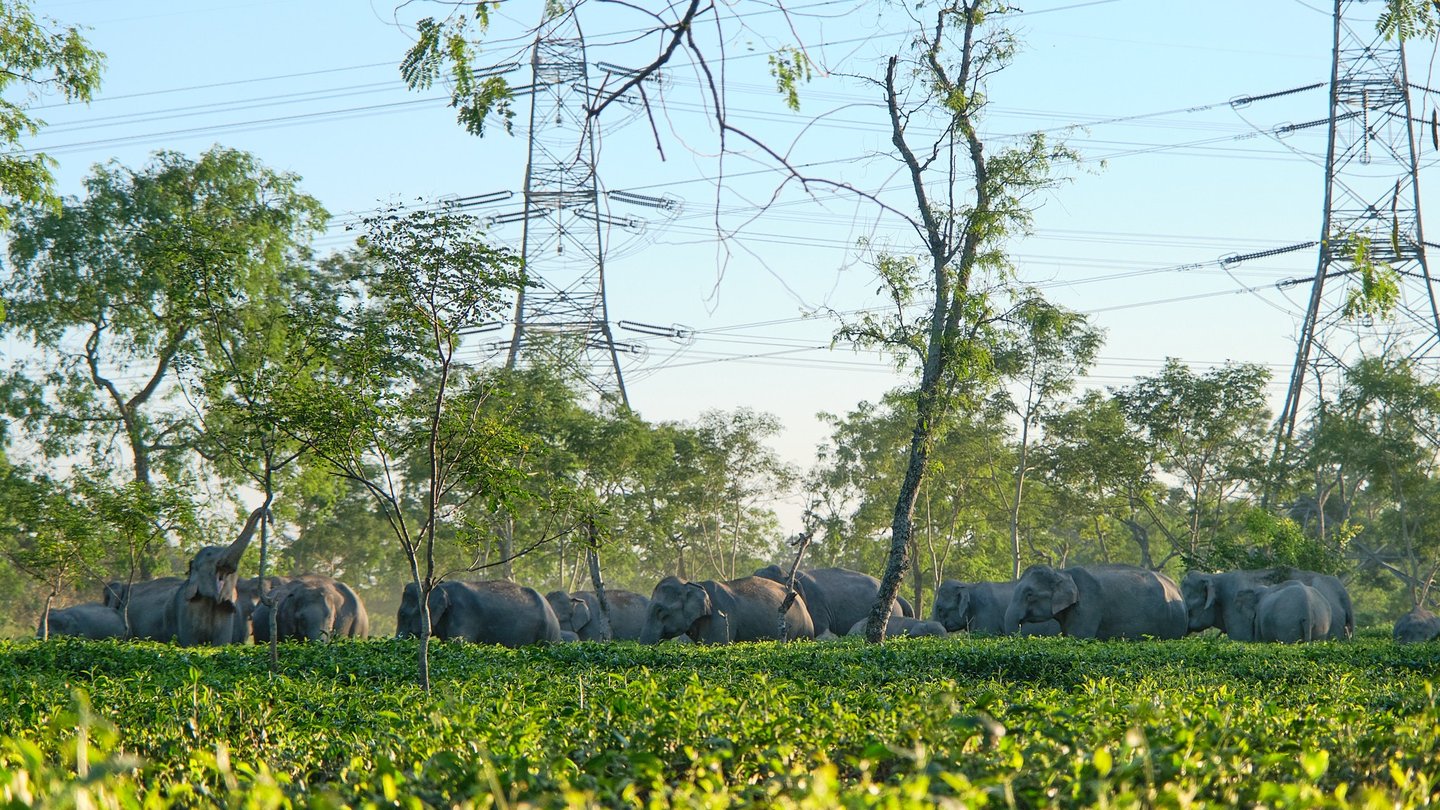
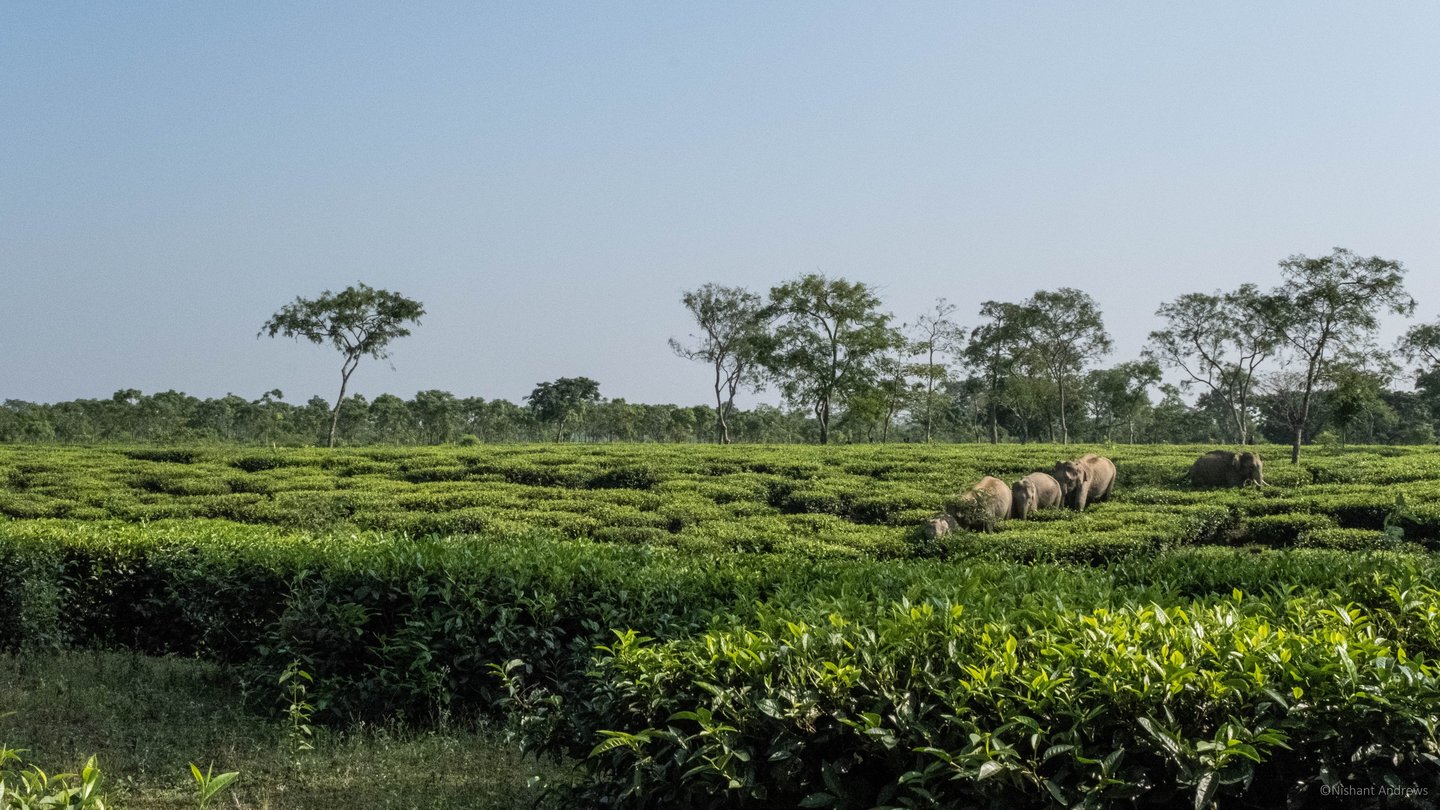
The elephant herds of Assam's Brahmaputra valley move through a landscape fundamentally altered around them — tea estates, transmission lines, paddy fields, and settlements occupying what was once continuous forest.
PHOTO ESSAYHUMAN-WILDLIFE CONFLICT · ASSAM
Nishant Andrews
11/10/20201 min read
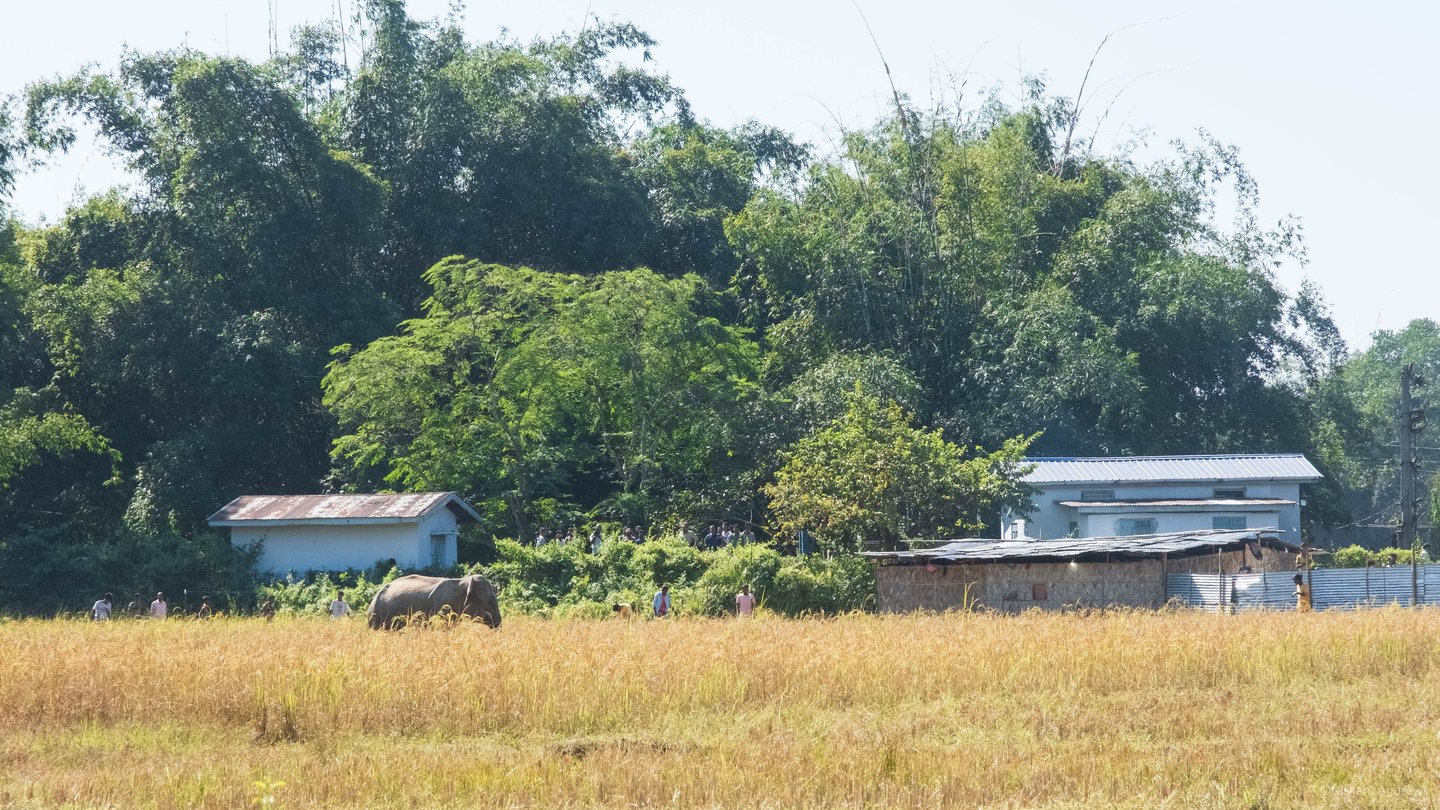
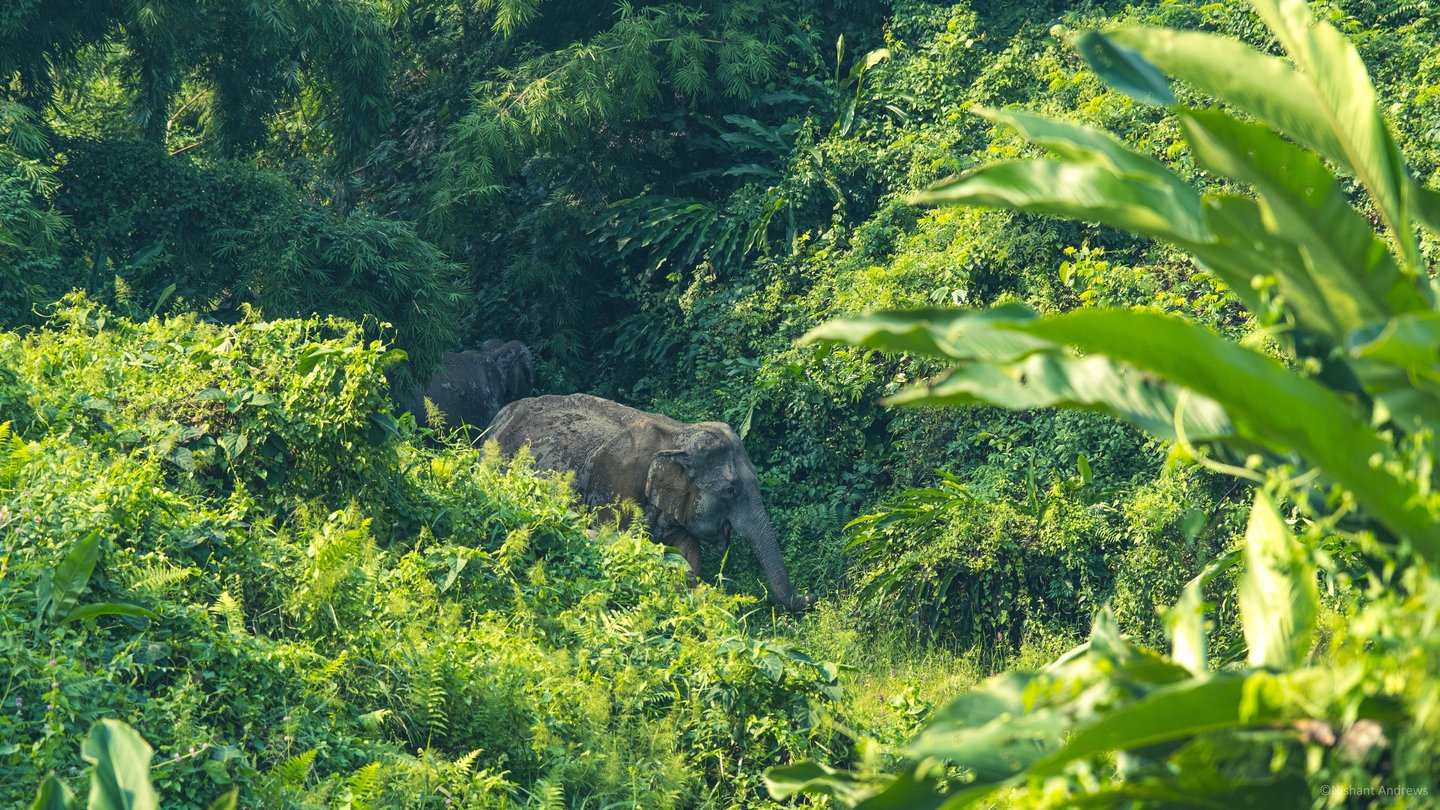
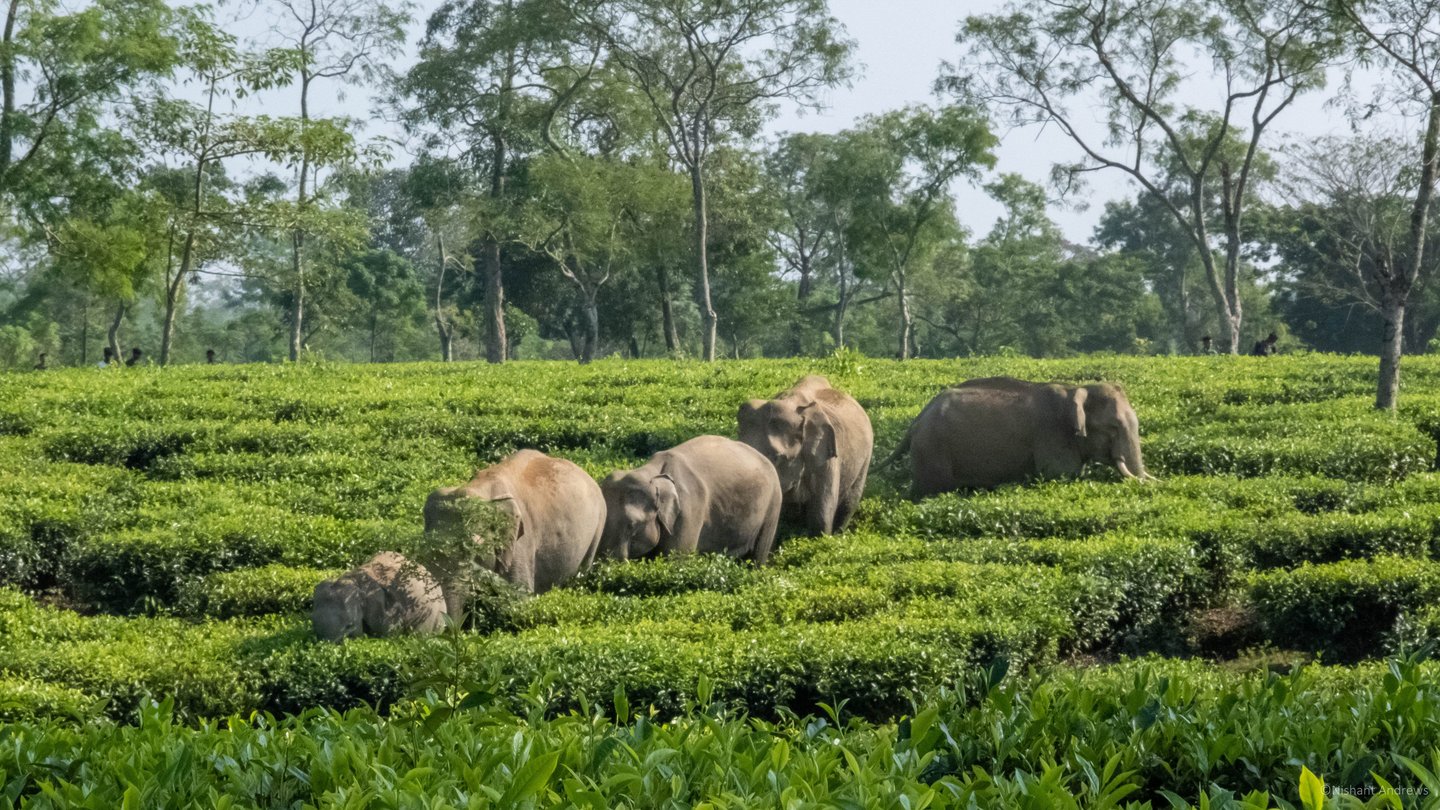
Assam is home to the second largest Asian elephant (Elephas maximus) population in India. Between Sonai Rupai Wildlife Sanctuary to the west and Nameri National Park to the east, herds move seasonally through the Sonitpur district — following routes worn down over generations, crossing through tea estates, paddy fields, and village boundaries that did not exist when those routes were first established.
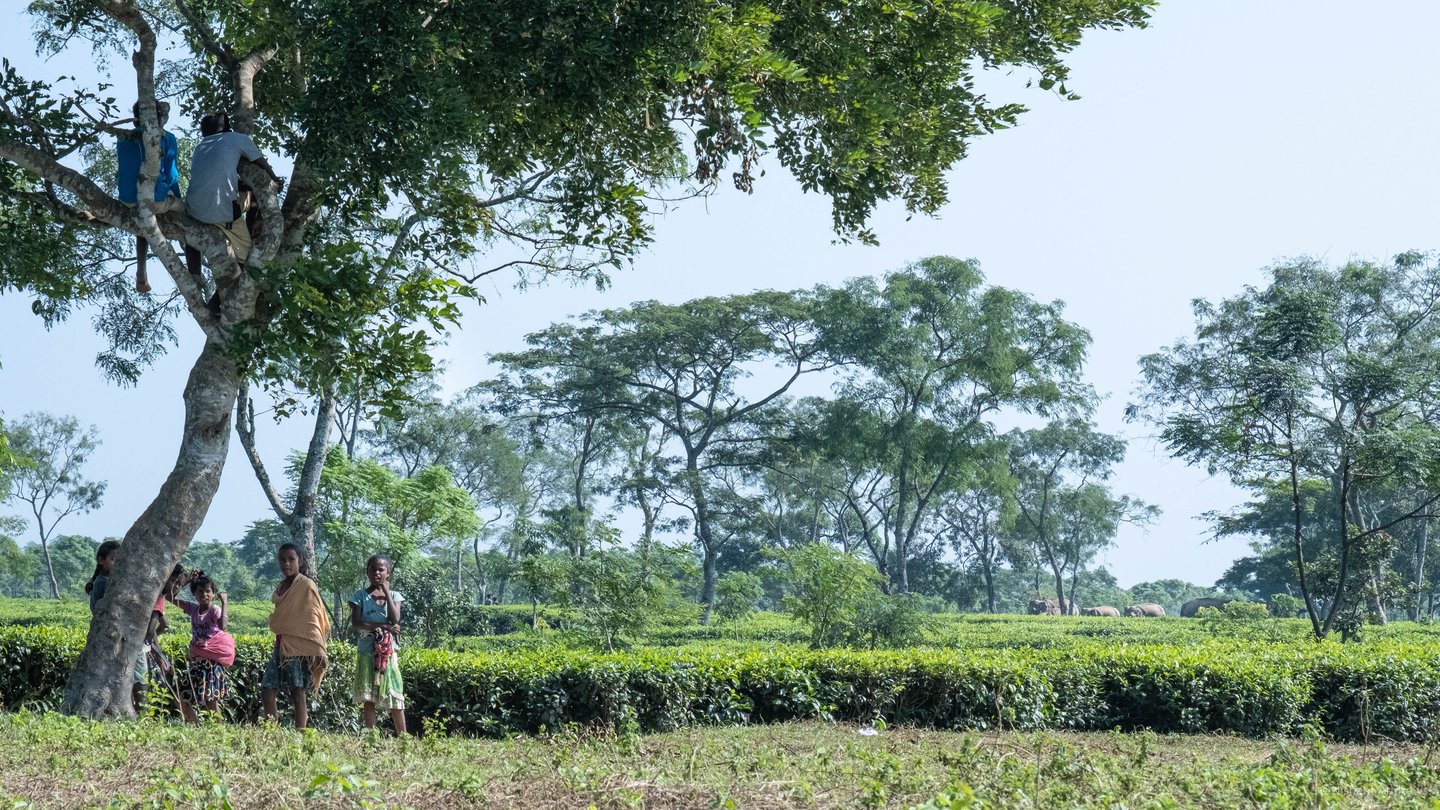
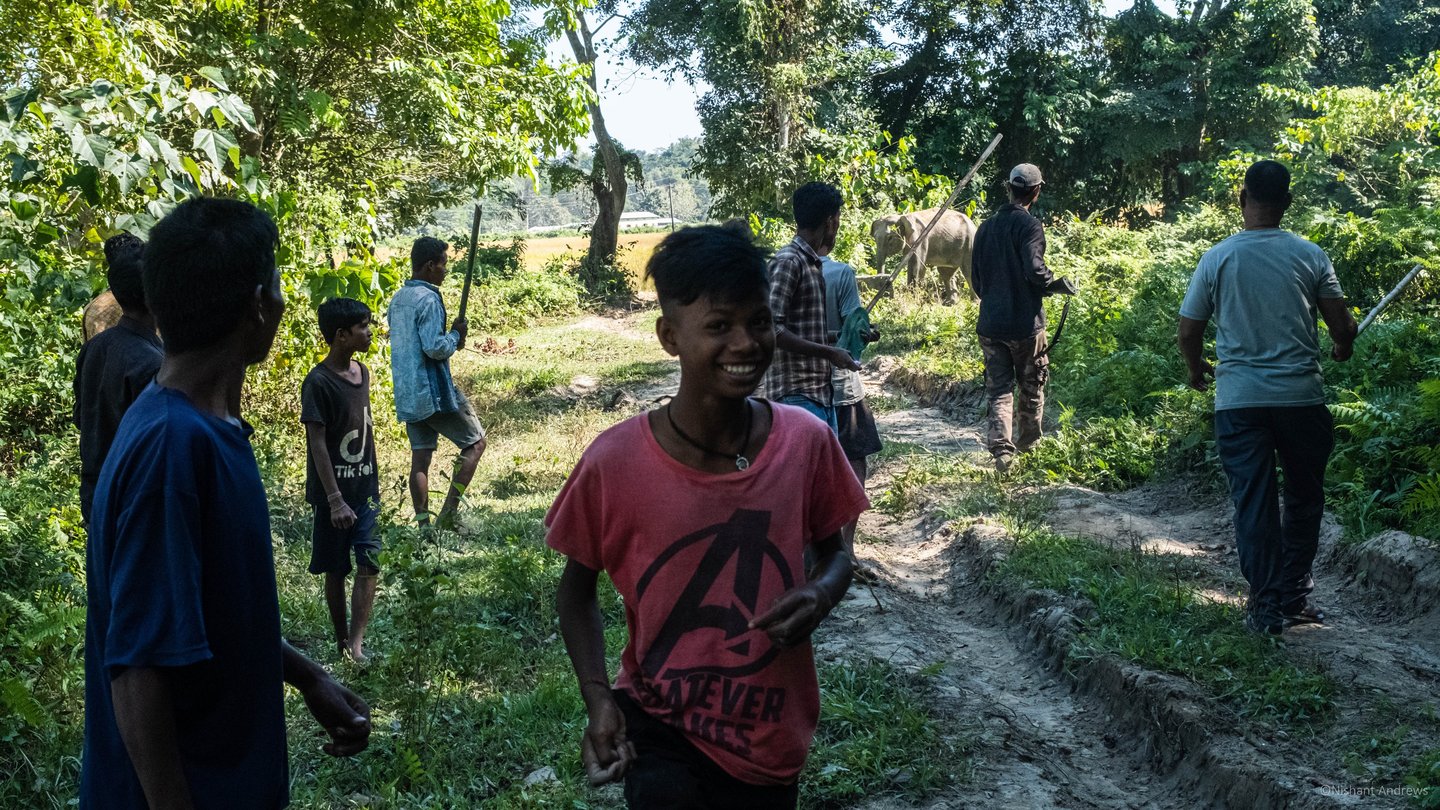
The people of Tarajuli have lived on this land long enough to consider it entirely their own. So have the elephants. Each paddy season, the herds leave the protected areas and take refuge in the forest patches and tea estates adjoining the fields — moving into crops at night, returning before dawn. For the communities here, a single raid can mean the loss of a subsistence harvest. For the elephants, the corridor is not an inconvenience — it is the only remaining connection between two fragments of their original range.
What this essay documents is not conflict in the dramatic sense. It is the daily arithmetic of a shared landscape — what each side loses, what each side holds onto, and what remains of a forest that both communities are still, in their own way, trying to survive in.
Photographed in 2020 and 2021 in collaboration with the Assam State Forest Department and WWF-India Elephant Conservation Programme.
Contact:
Mail: andrewsnishant@gmail.com
COPYRIGHT ©2026 BY NISHANT ANDREWS
Connect with me: