
Shark Coast: The Elasmobranch Fisheries of Gujarat
Gujarat's coastline lands more sharks, rays, and skates than any other state in India — not because its communities eat shark, but because its trawlers share water with them. Commissioned by WWF India and WWF Hong Kong, 2022.
PHOTO ESSAYMARINE CONSERVATION · GUJARAT
Nishant Andrews
2/7/20231 min read
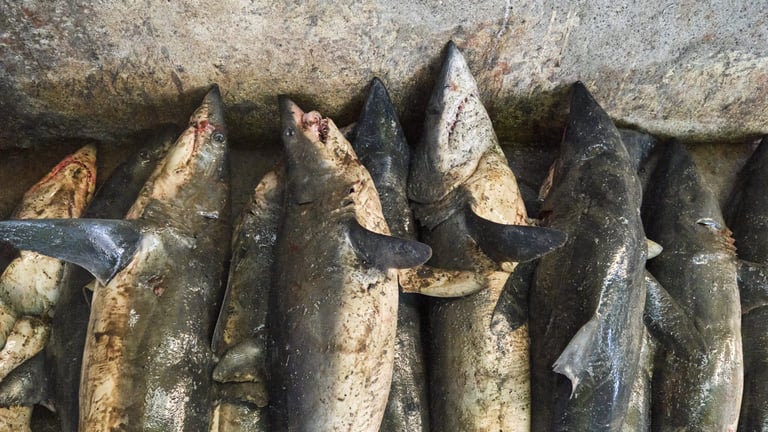
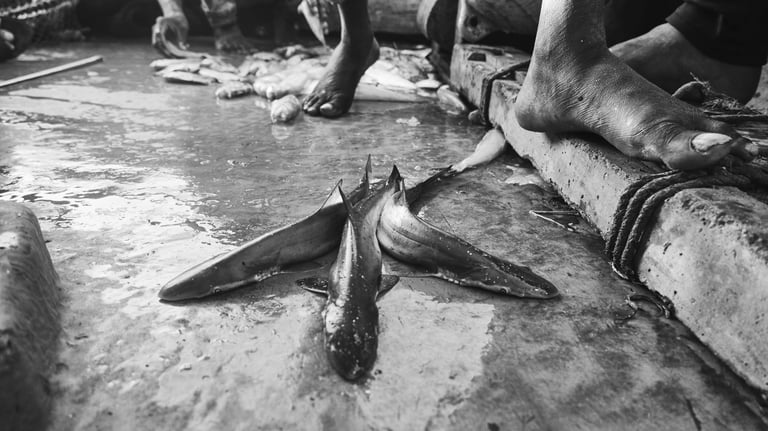
Gujarat's coastline is the longest in India. It also lands more sharks, rays, and skates than any other state in the country — not because its communities eat shark, but because its trawlers share water with them.
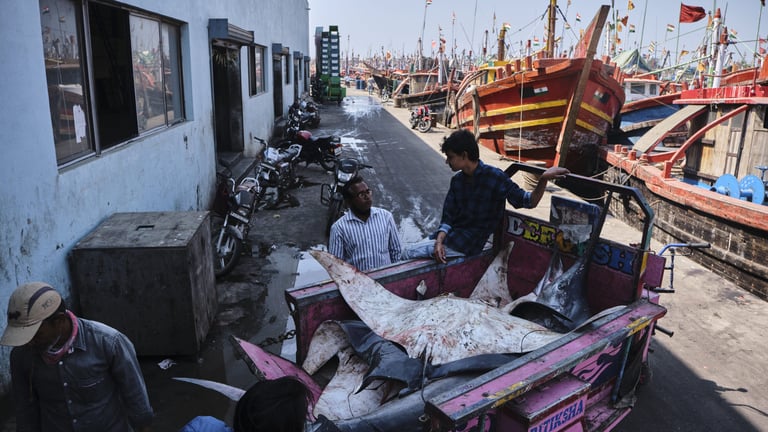
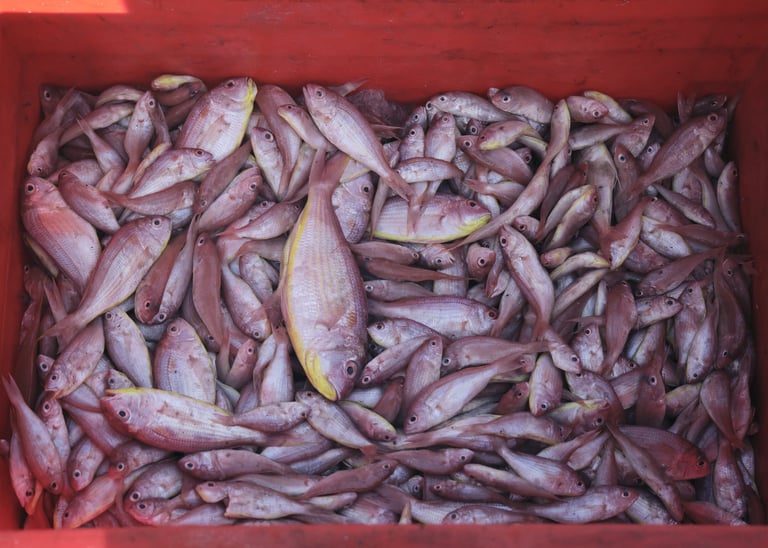
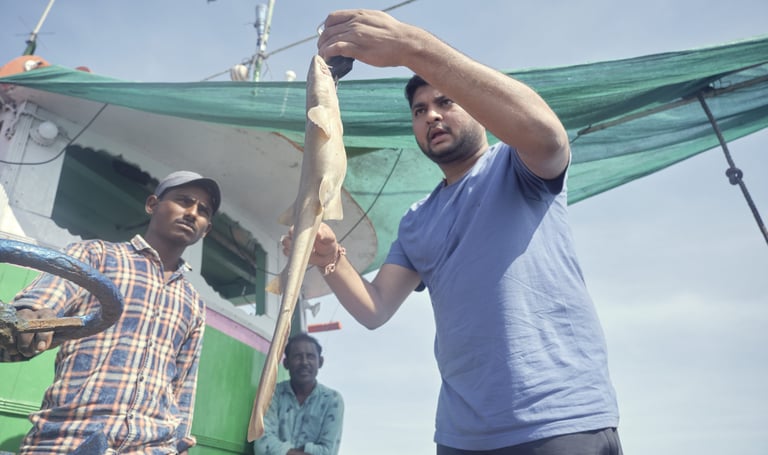
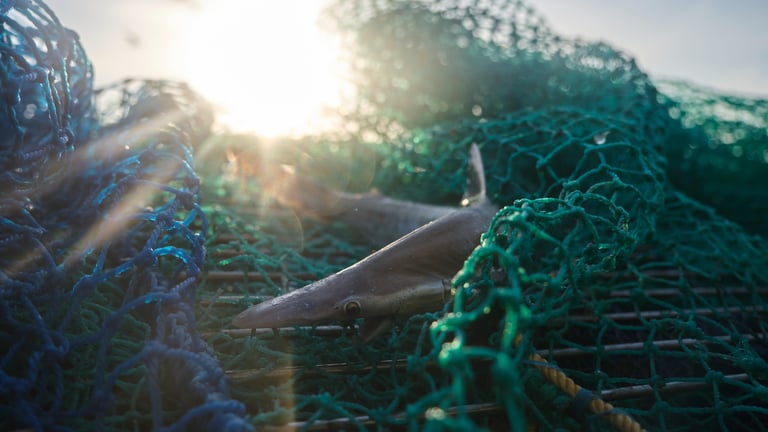
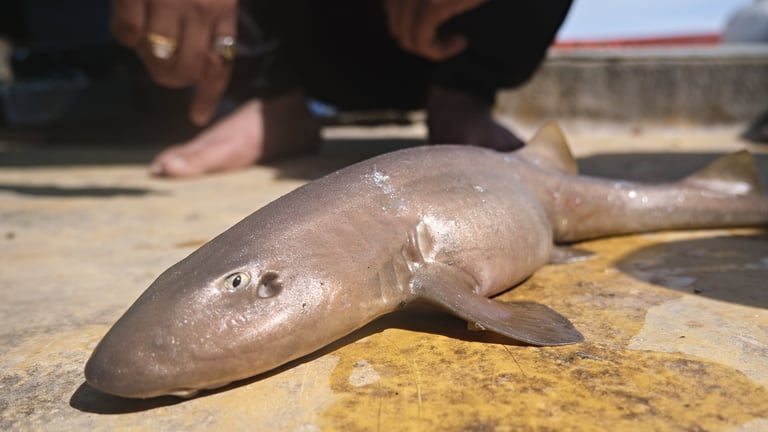
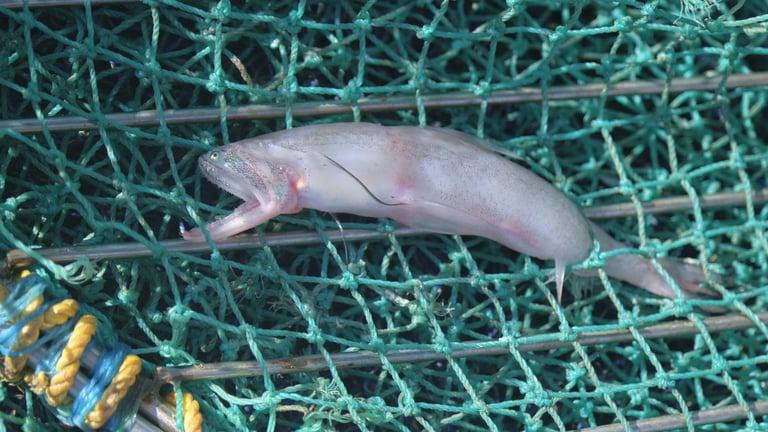
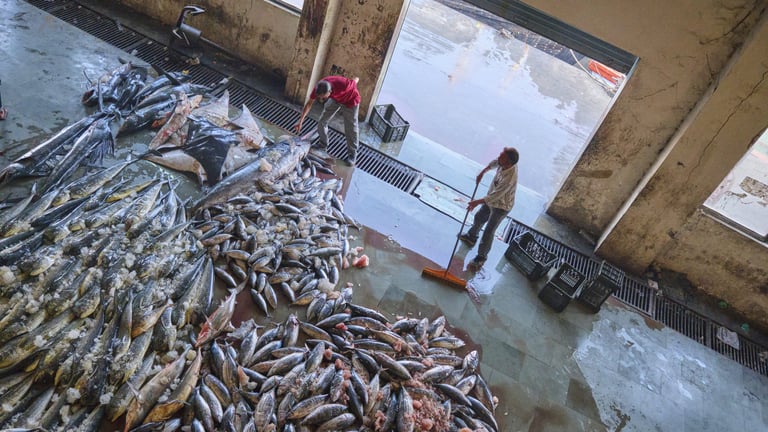
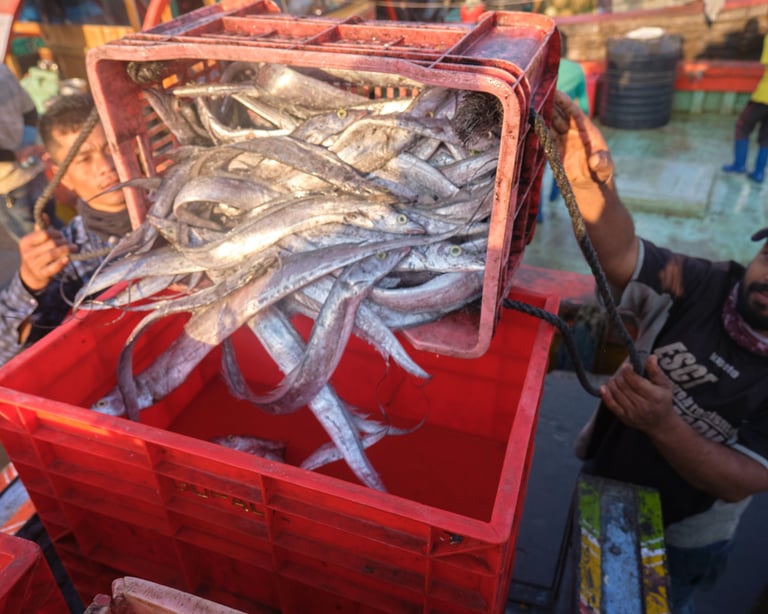
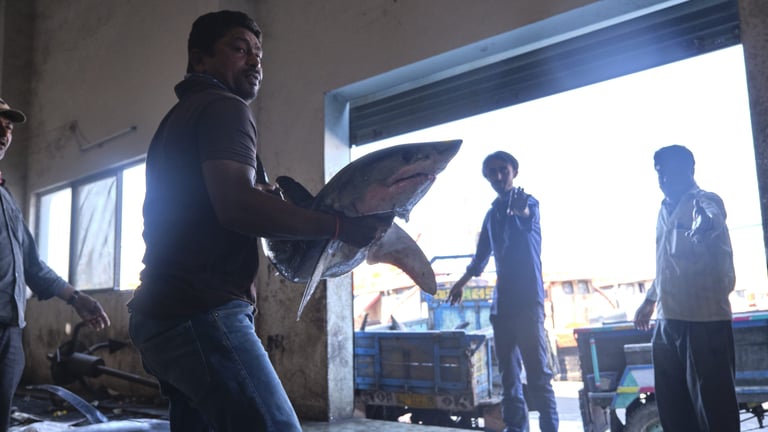
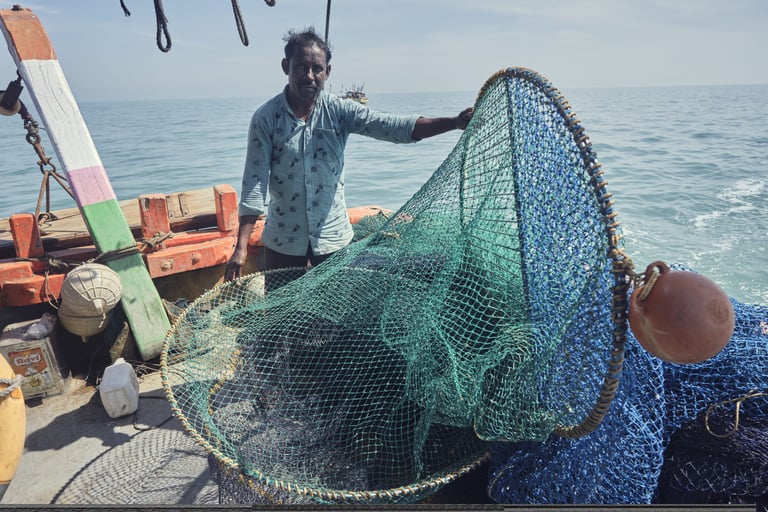
Declining stocks of commercially valuable fish have meant longer expeditions, deeper routes, and nets returning with a higher proportion of what nobody ordered. Elasmobranchs — sharks, rays, skates, guitarfish — arrive at landing sites like Veraval not as a target catch but as an outcome of fishing an increasingly emptied sea. Most are discarded. Some are retained for local consumption or processed into fishmeal. A few — the spinetail devil ray among them — are quietly sought: fins exported to China for use in traditional Chinese medicine, meat consumed within the community.
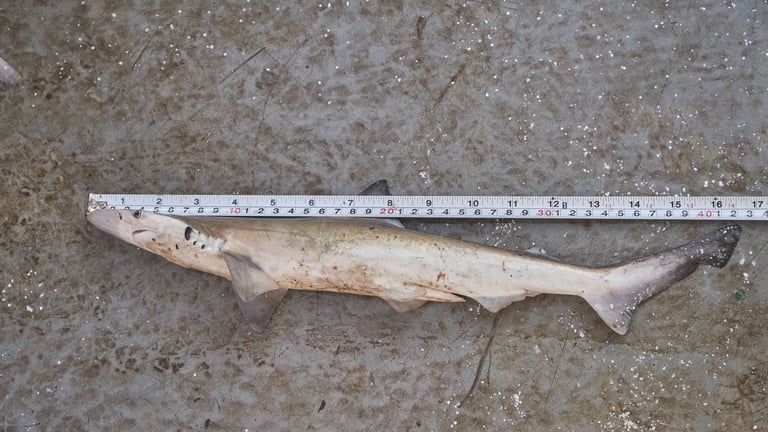
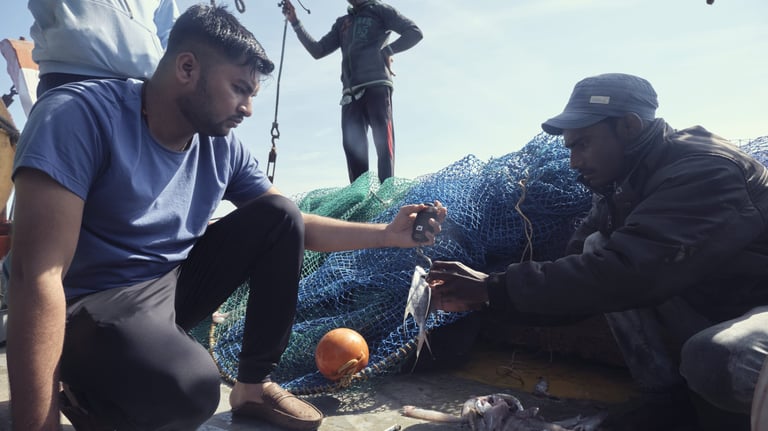
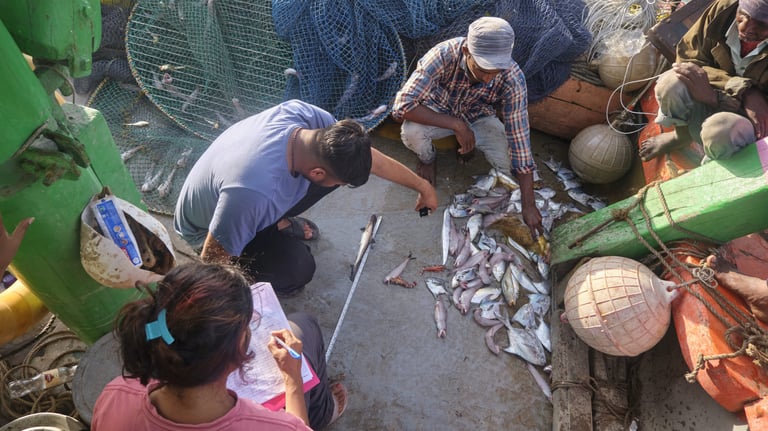
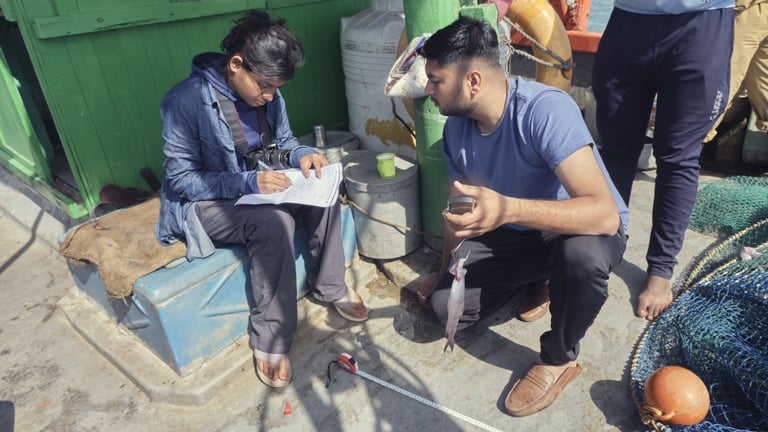
WWF-India's marine team, working at these landing sites as part of a bycatch reduction project, found the species diversity in these nets to be significant — and significantly under-documented. The work of identifying what is arriving, in what numbers, and with what conservation status, is still ongoing.
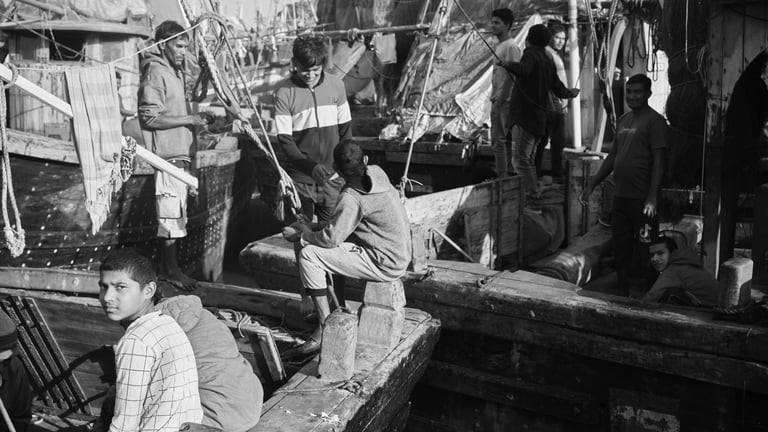
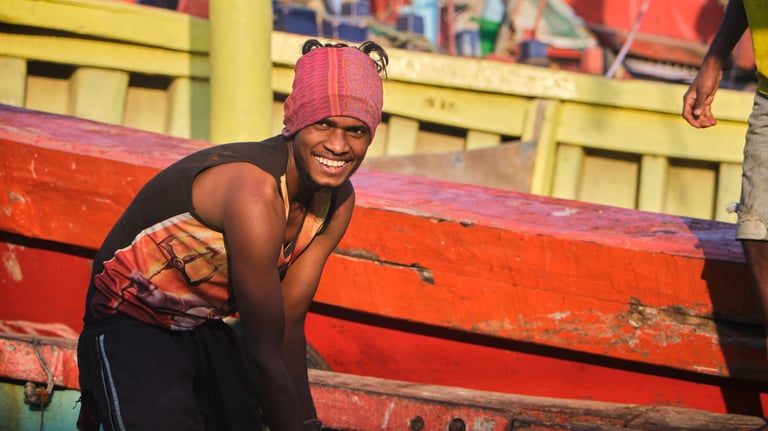
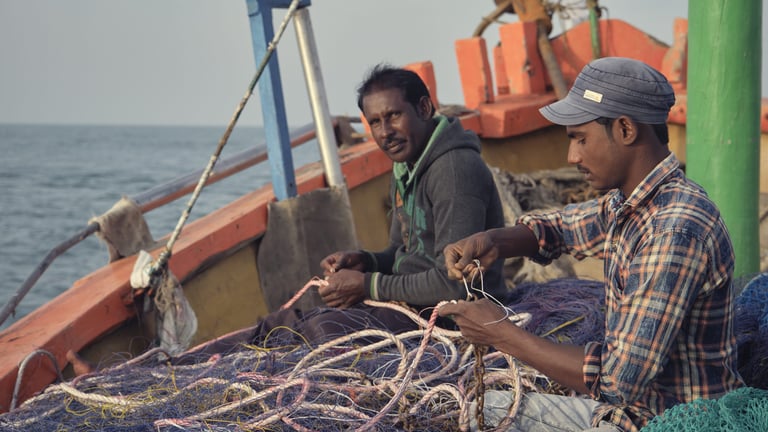
This essay was photographed in 2022 as part of a project commissioned by WWF India and WWF Hong Kong on Bycatch Reduction Devices and Shark Conservation in Gujarat. The fishermen in these photographs did not set out to catch what they caught. They are simply the first to notice the sea changing.
Contact:
Mail: andrewsnishant@gmail.com
COPYRIGHT ©2026 BY NISHANT ANDREWS
Connect with me: