
Where Tigers Persist
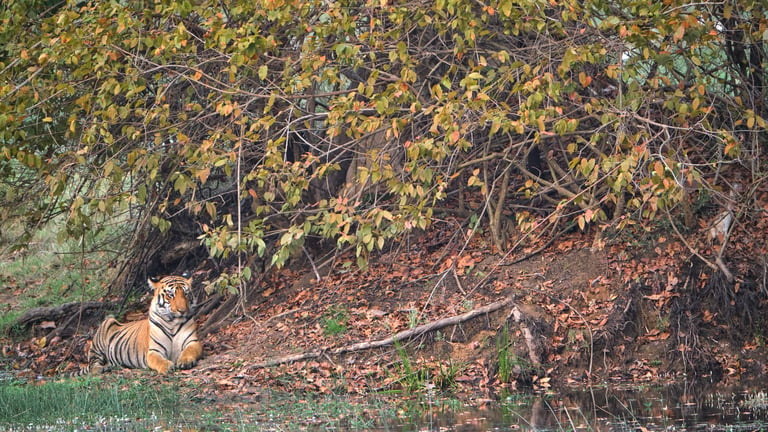
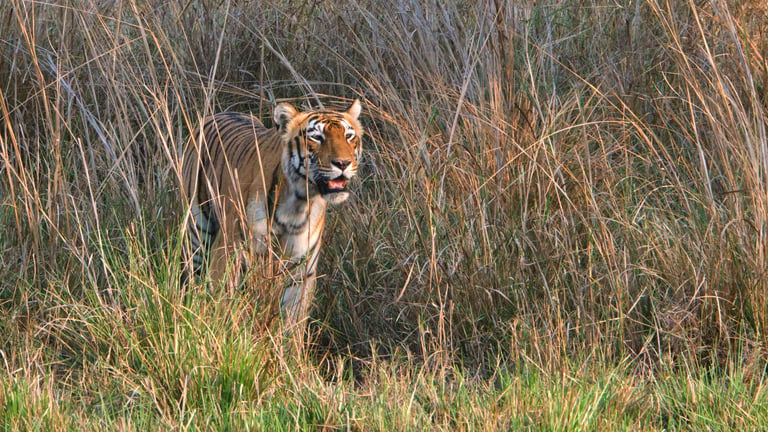
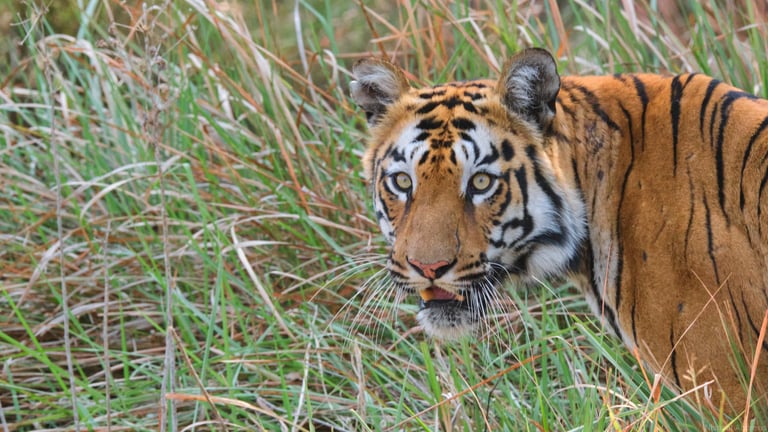
Where tigers persist, the forest tends to persist with them. This essay documents the full ecology of India's tiger landscapes — from apex predator to forest floor, across Kanha, Tadoba, Valmiki, and Ranthambore.
TIGER ECOSYSTEMS · INDIAPHOTO ESSAY
Nishant Andrews
5/13/20261 min read
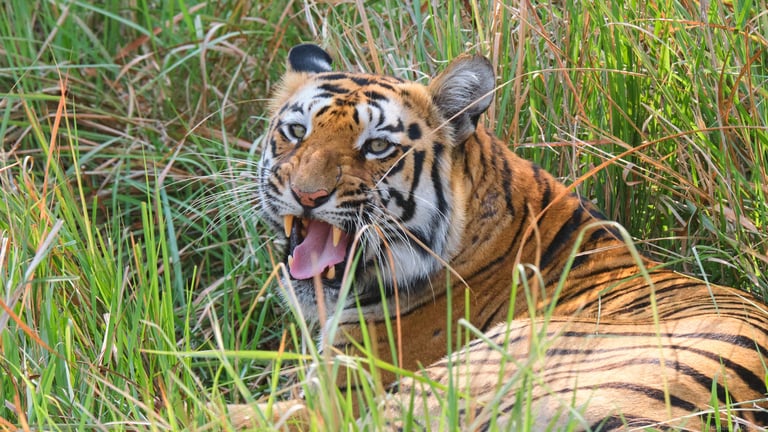
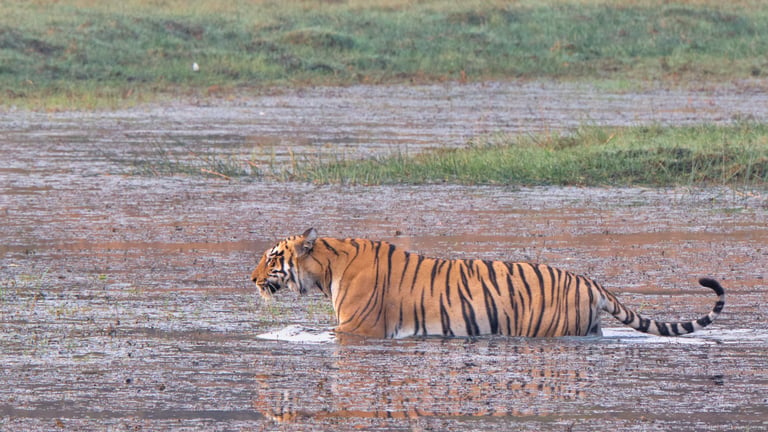
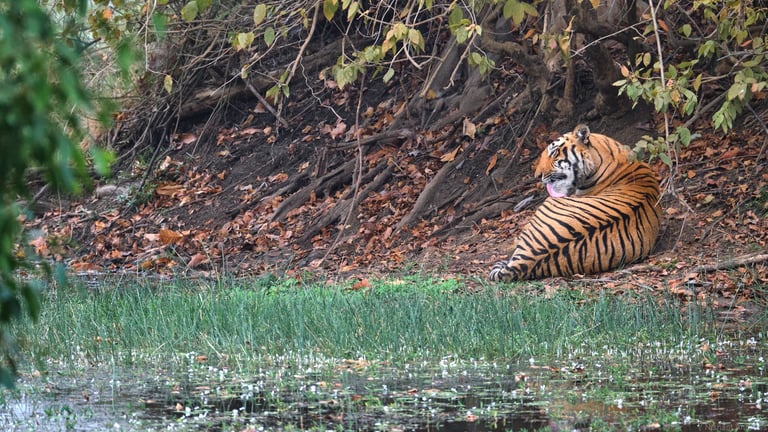
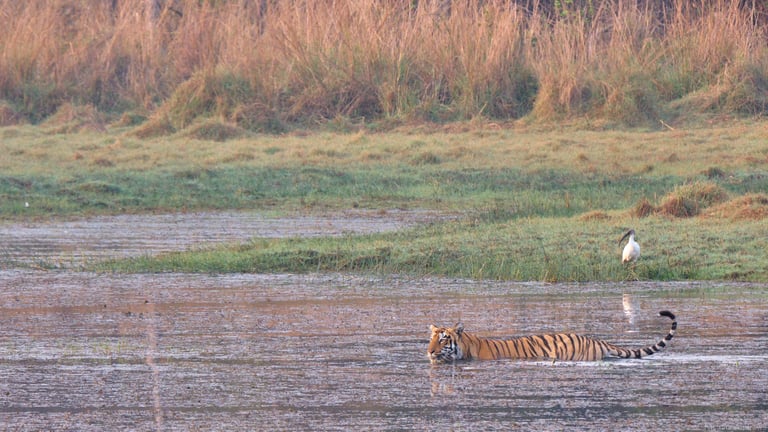
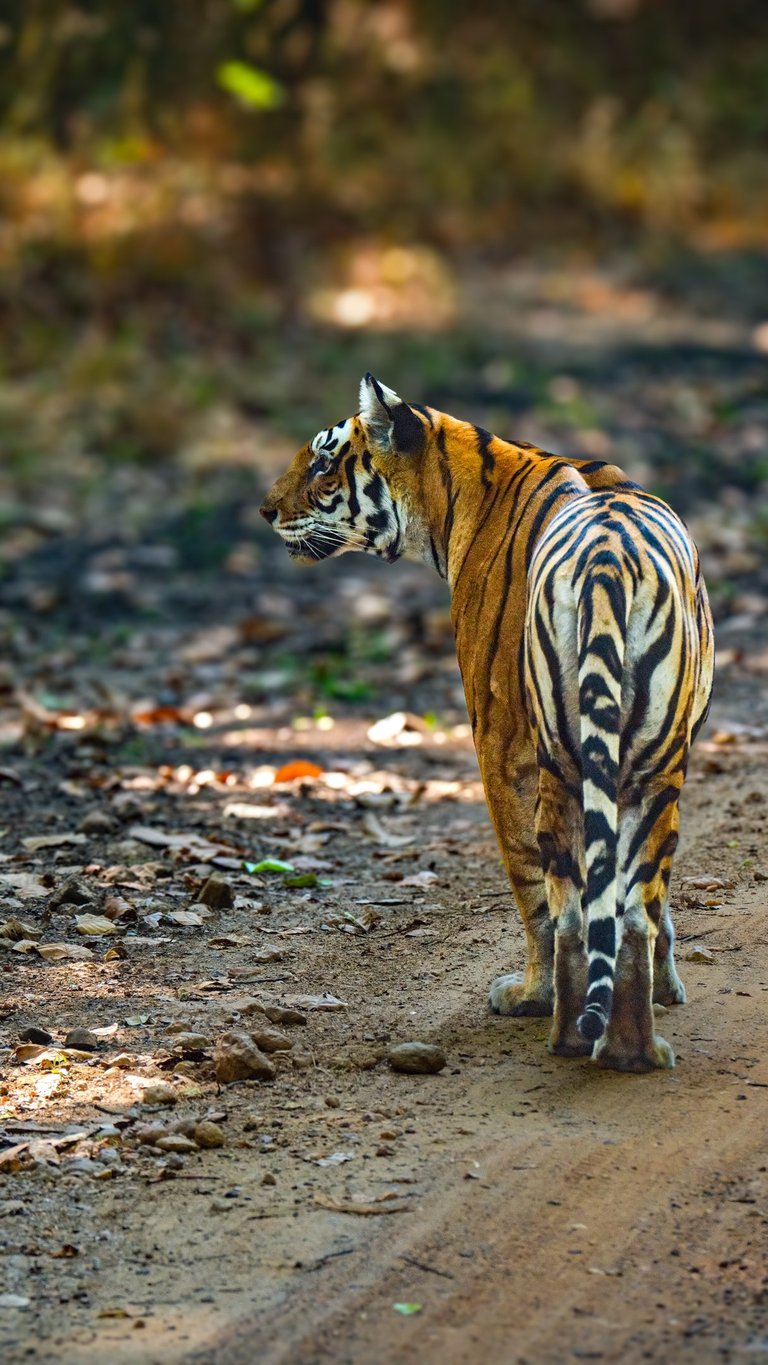
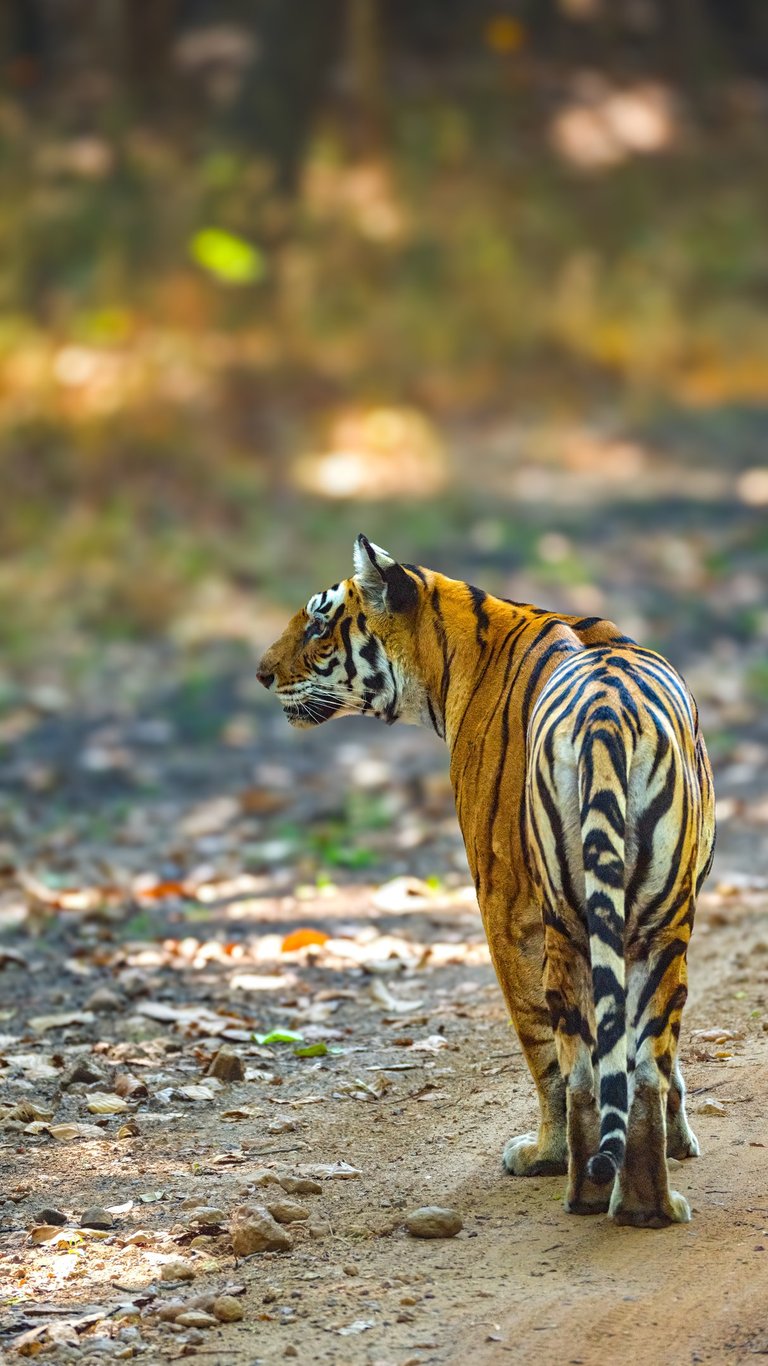
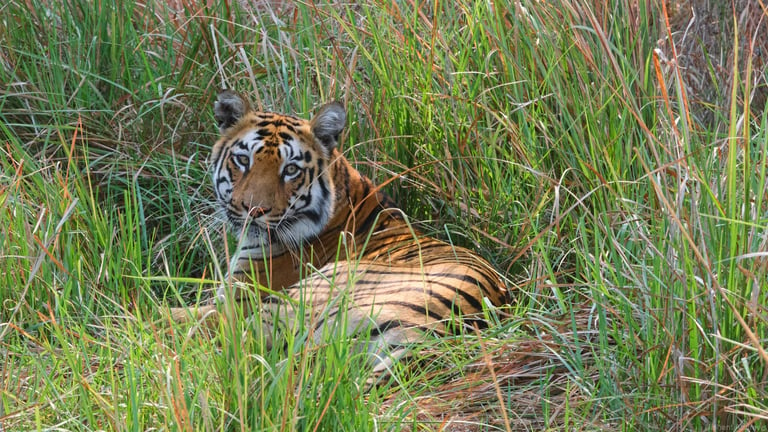
The tiger (Panthera tigris tigris) is the reason India's forests still hold what they hold. As an apex predator and documented umbrella species, its presence regulates prey populations, structures territorial behaviour across the food web, and signals — more reliably than any survey instrument — the overall health of the habitat beneath it. Where tigers persist, the forest tends to persist with them.
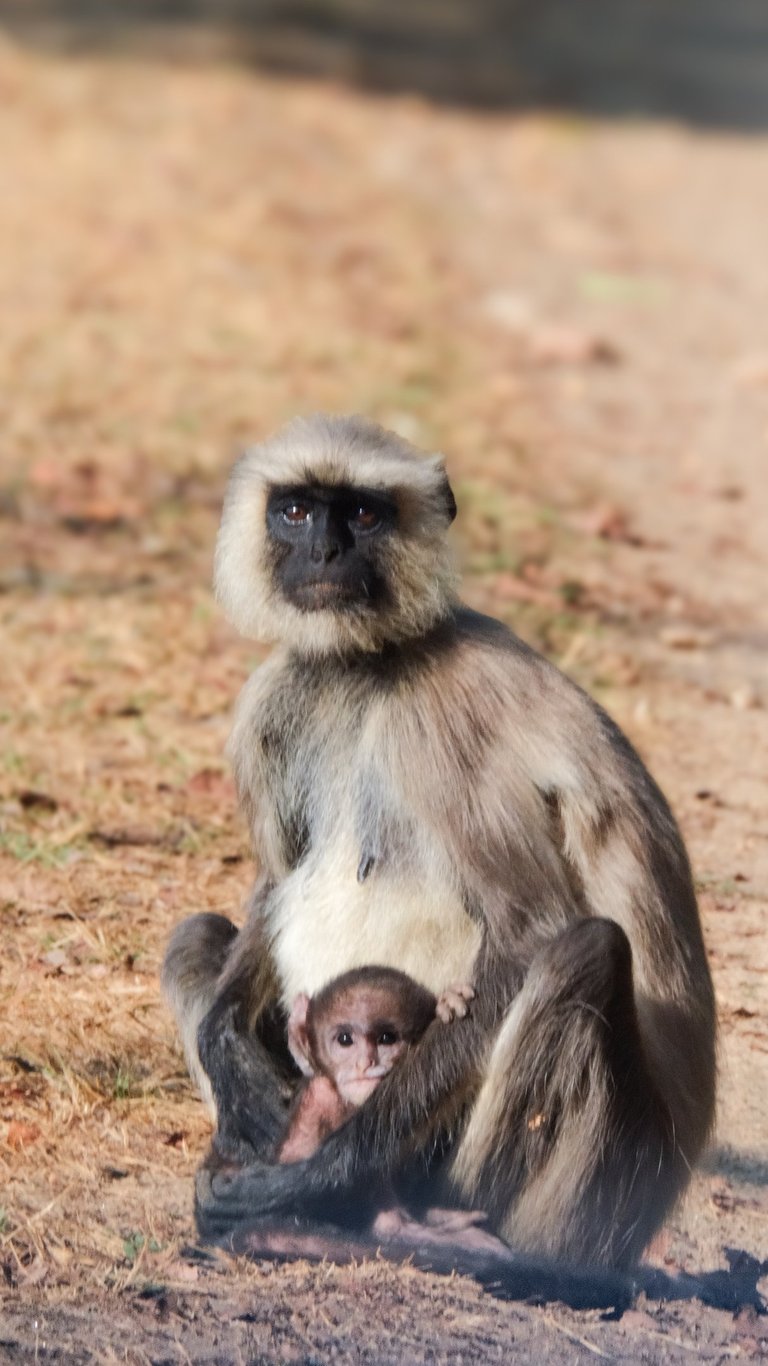
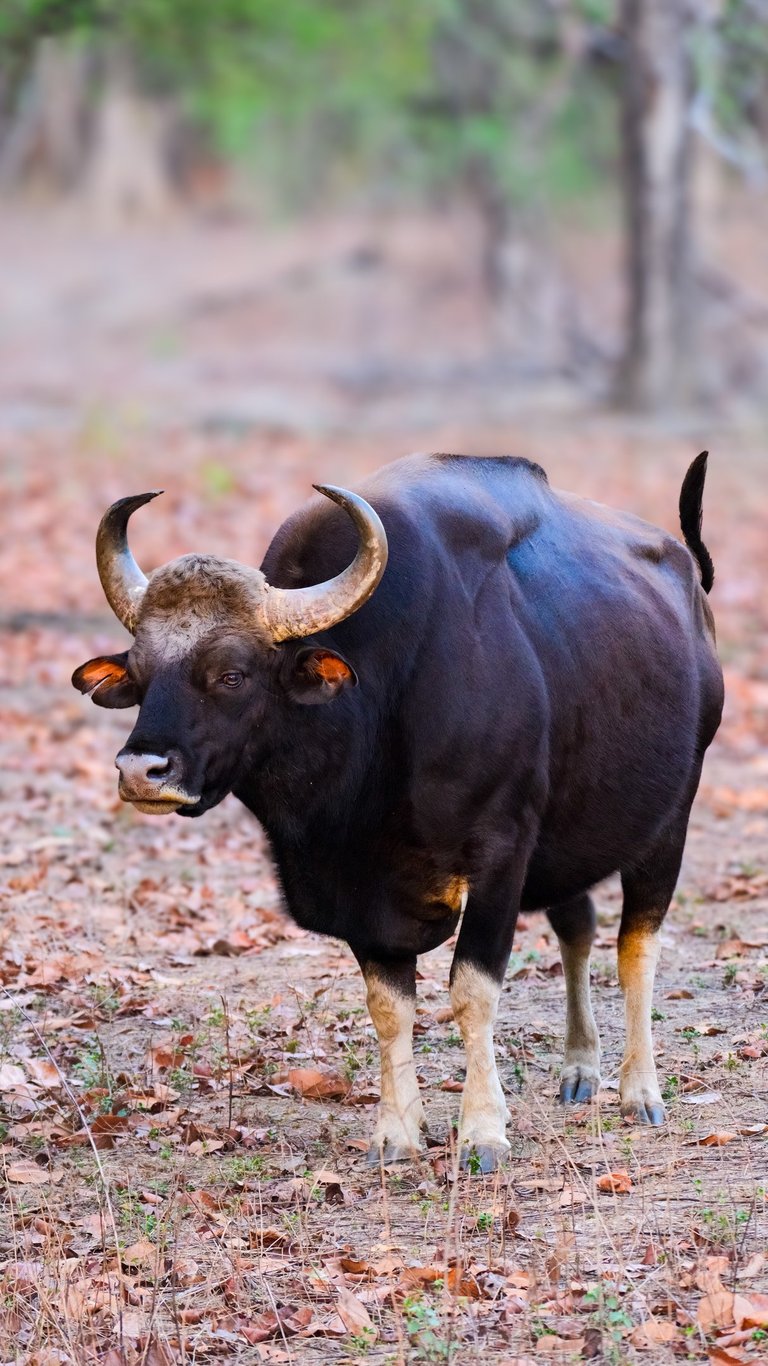
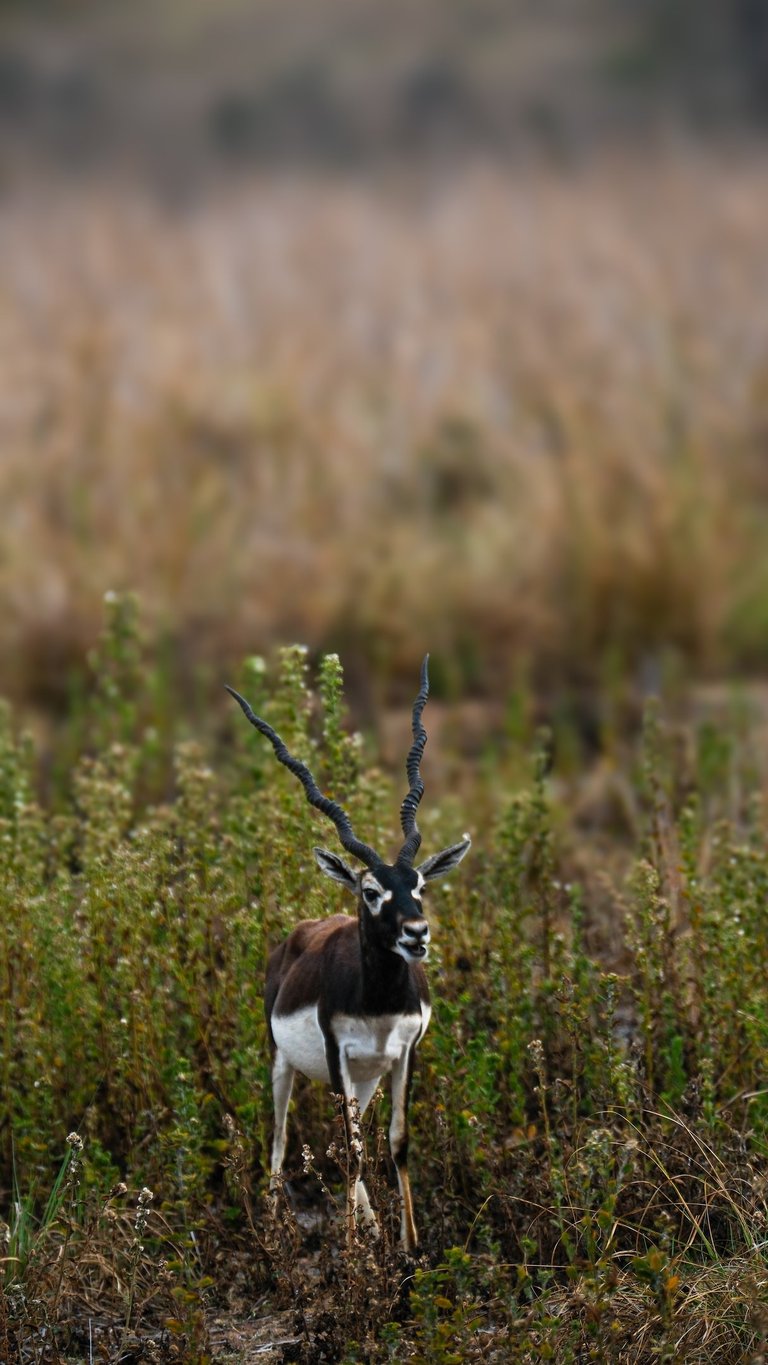
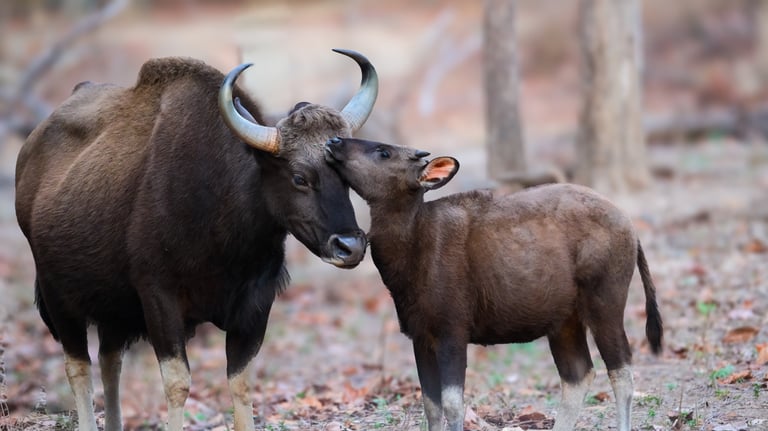
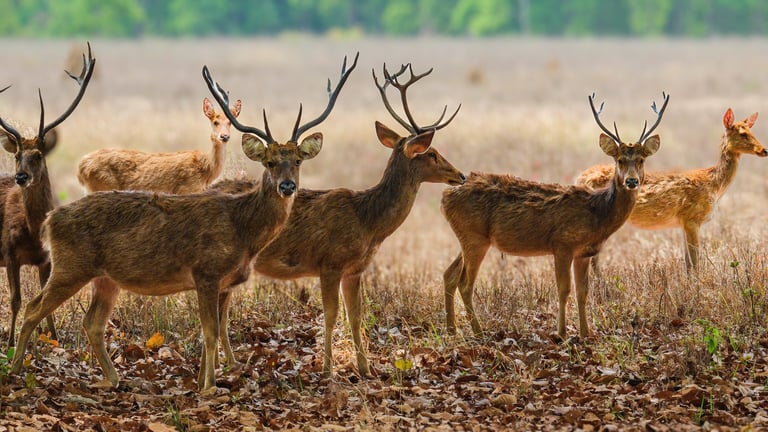
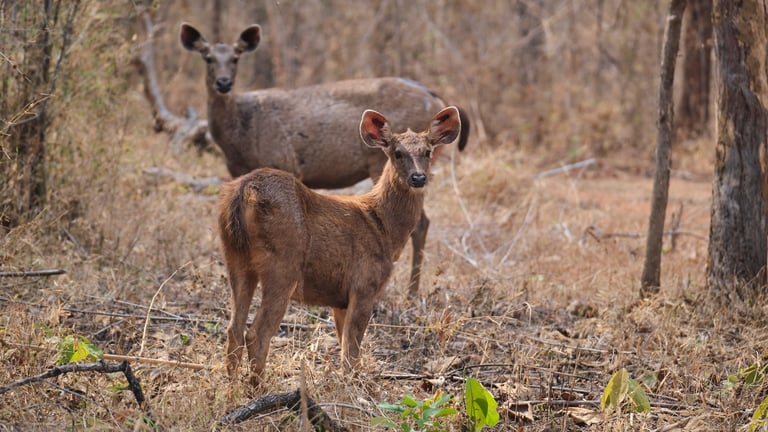
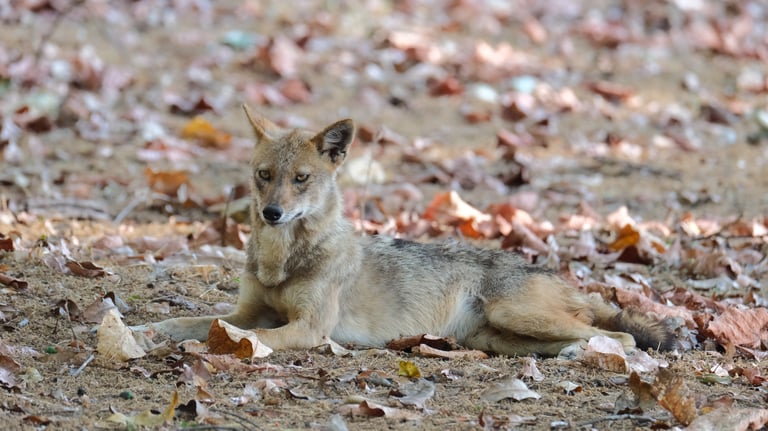
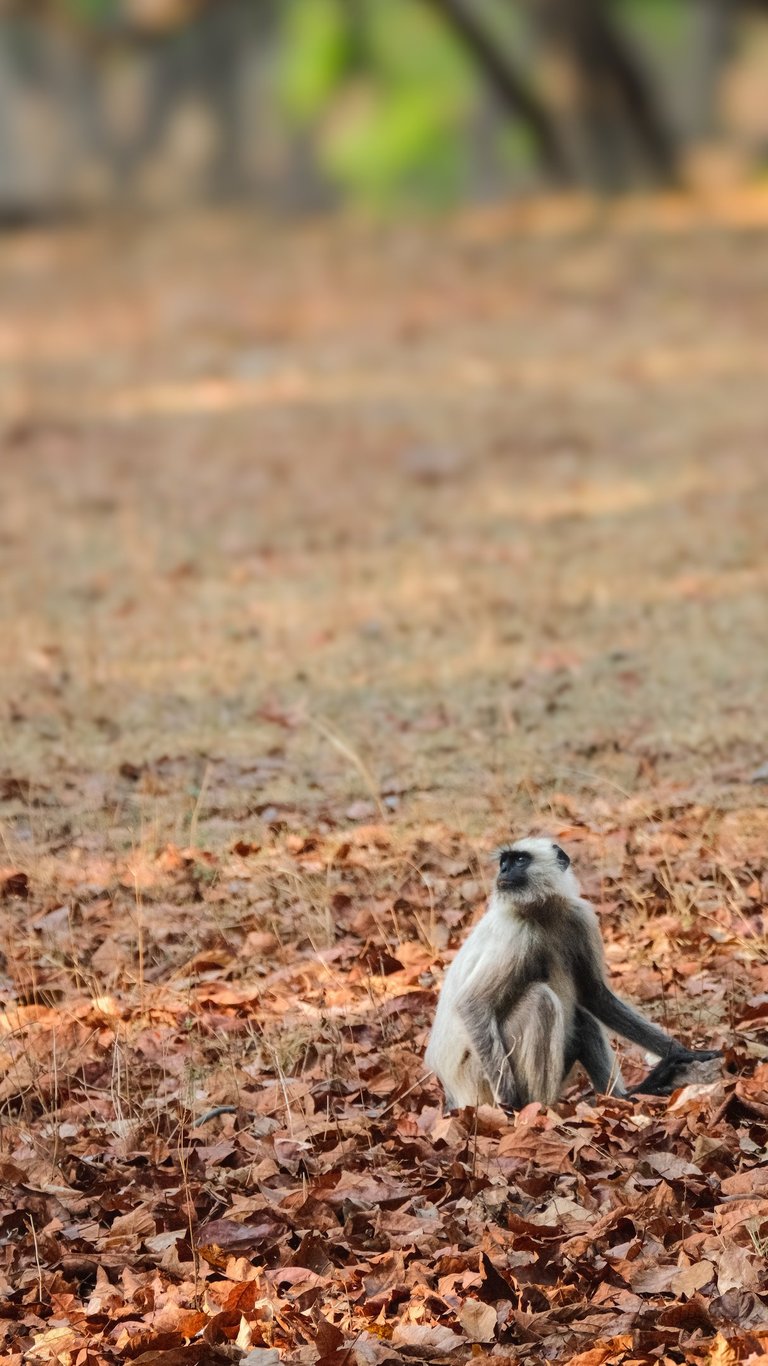
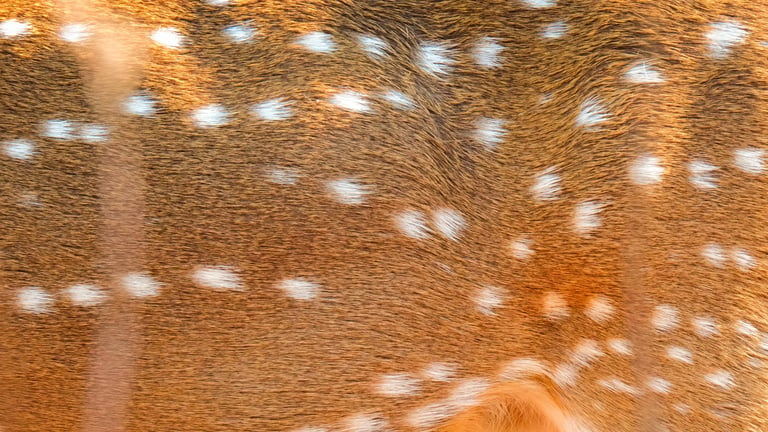
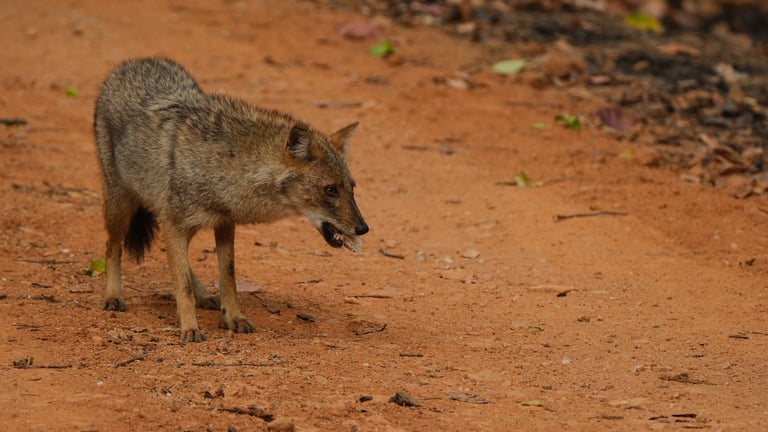
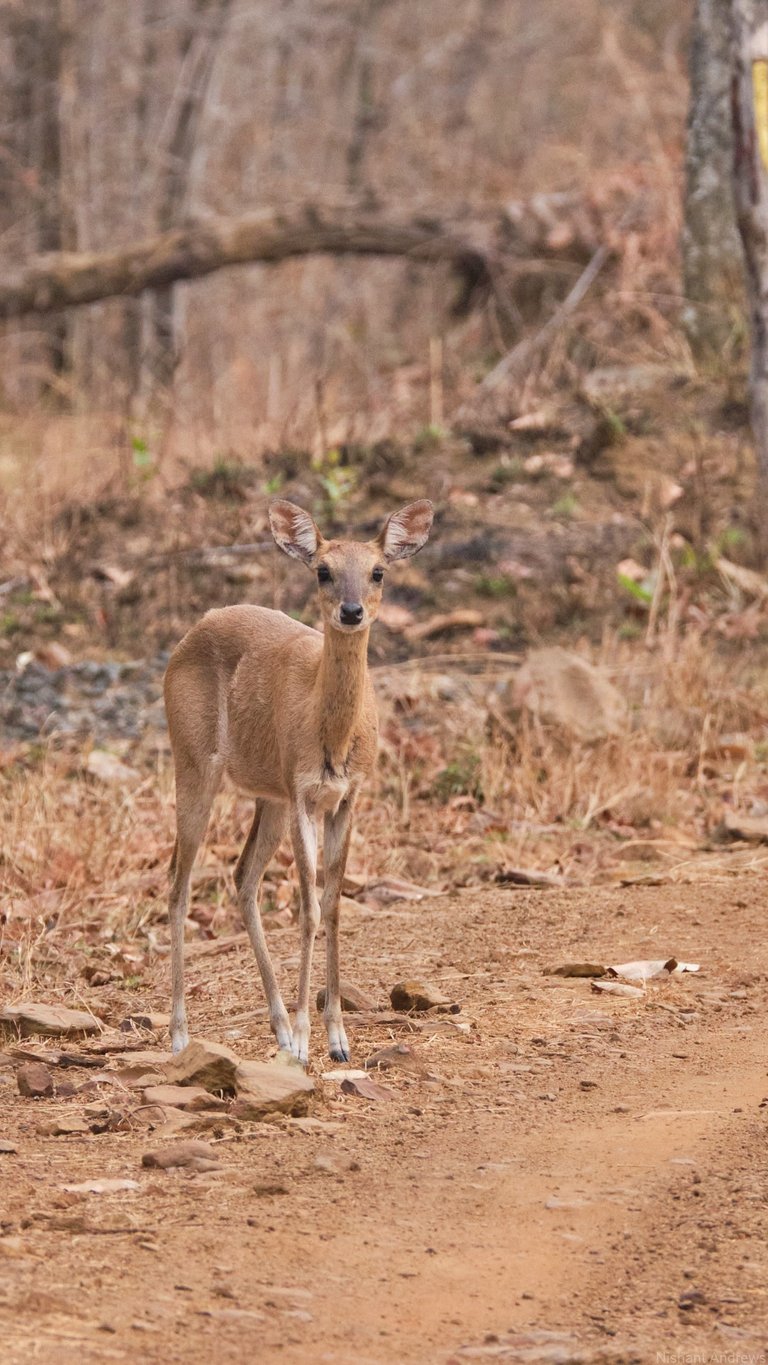
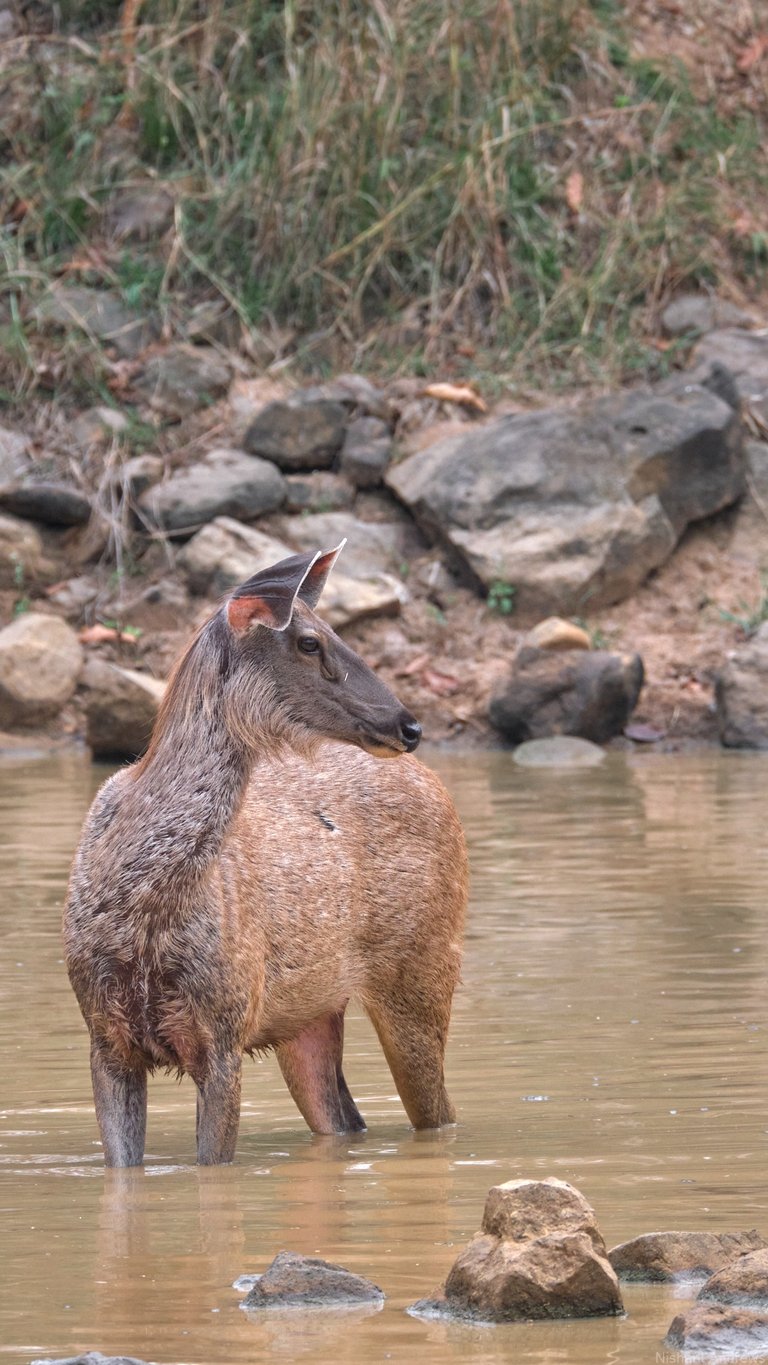
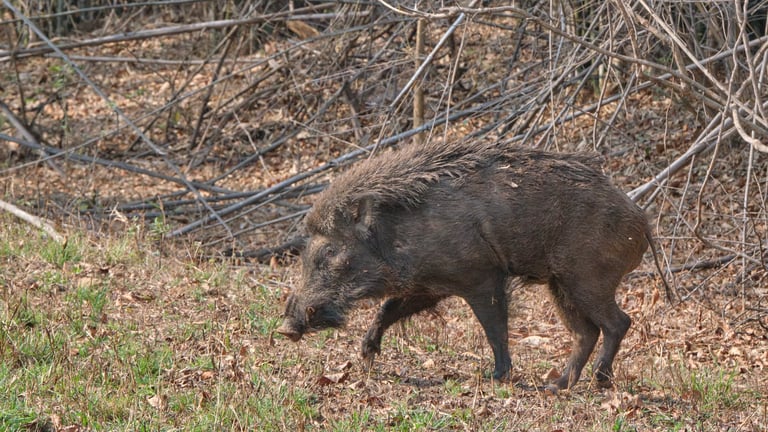
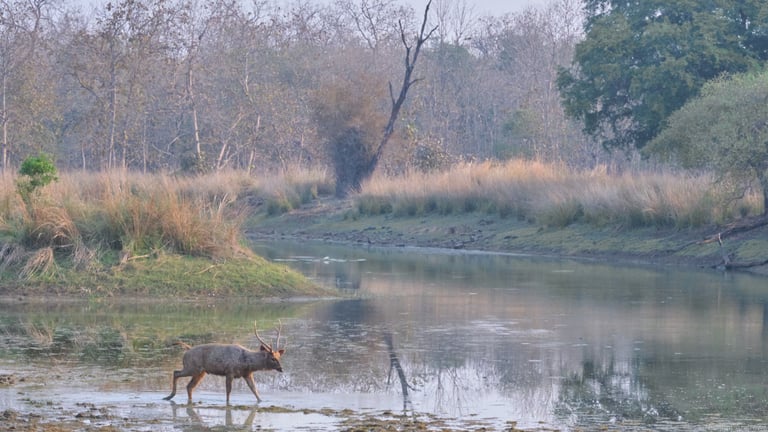
Central India's sal belt, the Gangetic plains of Bihar, and the Aravalli-Vindhya landscape of Rajasthan together hold some of the largest tiger populations on earth. But the tiger shares these landscapes with a full cast: gaur (Bos gaurus), sambar (Rusa unicolor), chital (Axis axis), barasingha (Rucervus duvaucelii), four-horned antelope (Tetracerus quadricornis), wild boar, sloth bear, dhole, and langur — each species occupying a specific niche, each dependent on the stability that an intact predator-prey system provides.
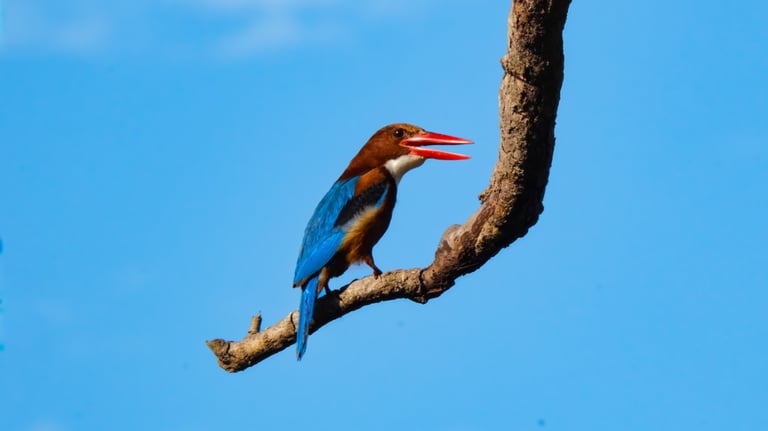
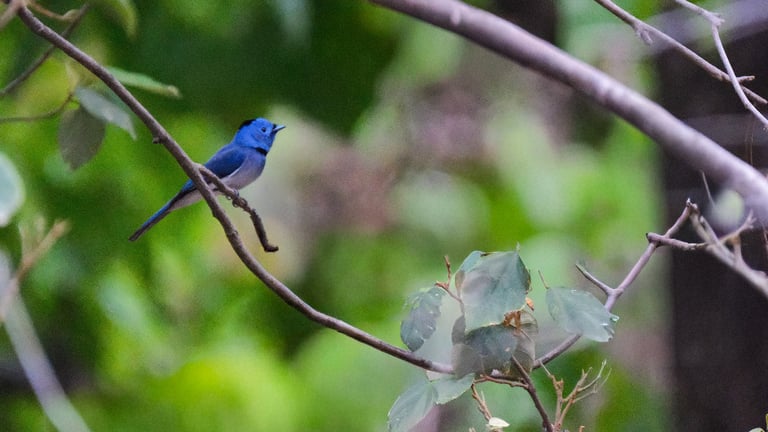
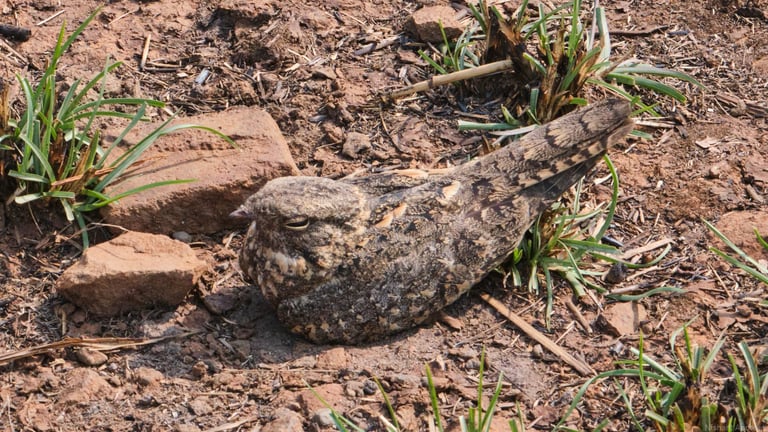
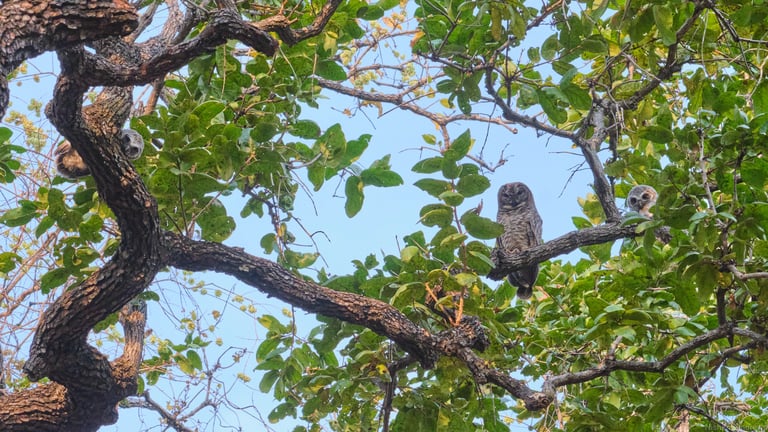
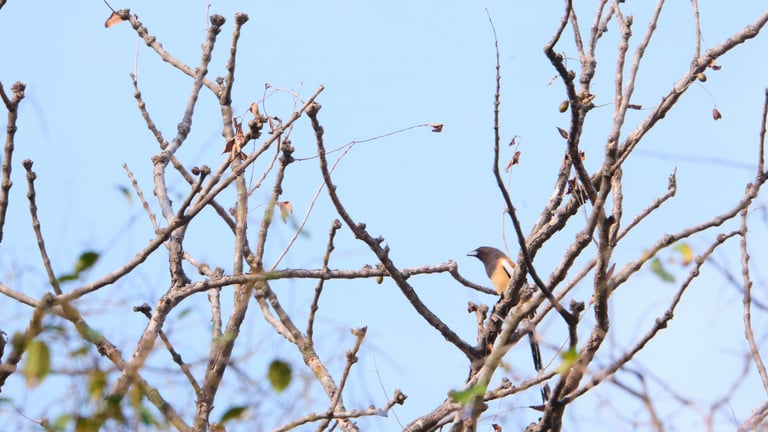
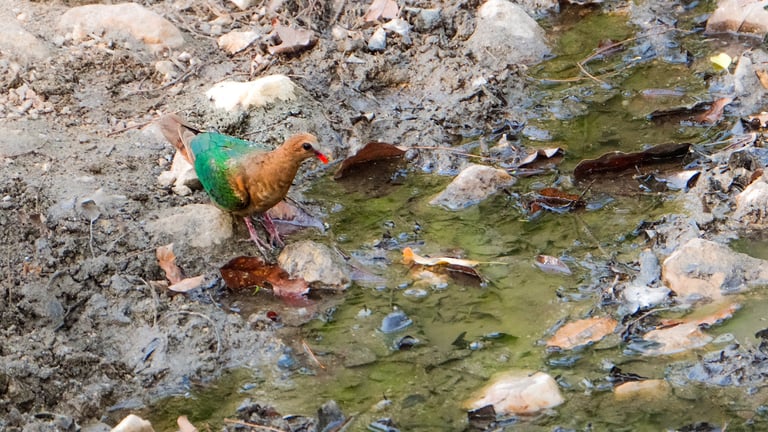
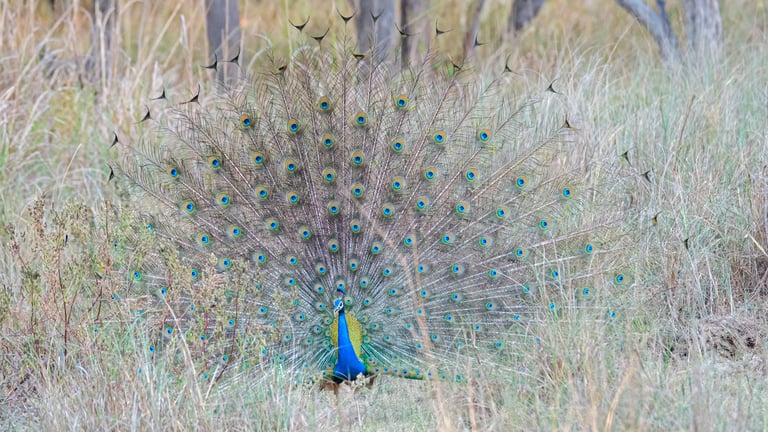
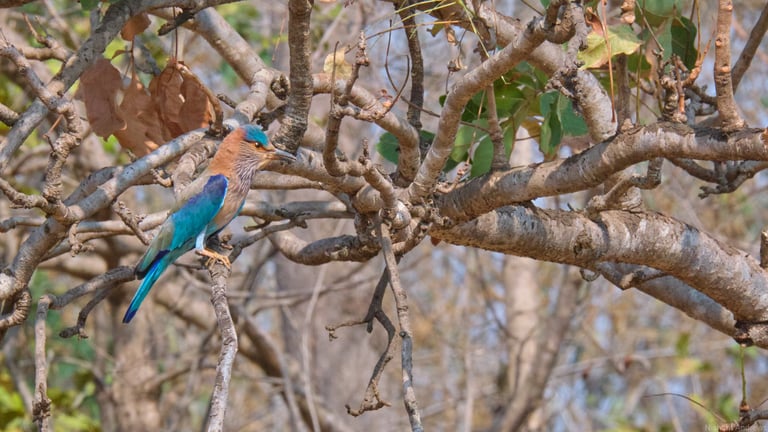
The health of these forests is not only visible on the ground. The canopy and skies above carry their own indicators — crested serpent eagles, Indian nightjars, mottled wood owls, and the persistent alarm calls of racket-tailed drongos that announce what the camera often misses. A forest loud with birds is a forest with something left to protect.
This essay is built around that full picture. The tiger is present throughout — but so is everything its existence makes possible.
Photographed across Kanha National Park, Tadoba Andhari Tiger Reserve, Valmiki Tiger Reserve, and Ranthambore National Park between 2019 and 2025.

Contact:
Mail: andrewsnishant@gmail.com
COPYRIGHT ©2026 BY NISHANT ANDREWS
Connect with me: